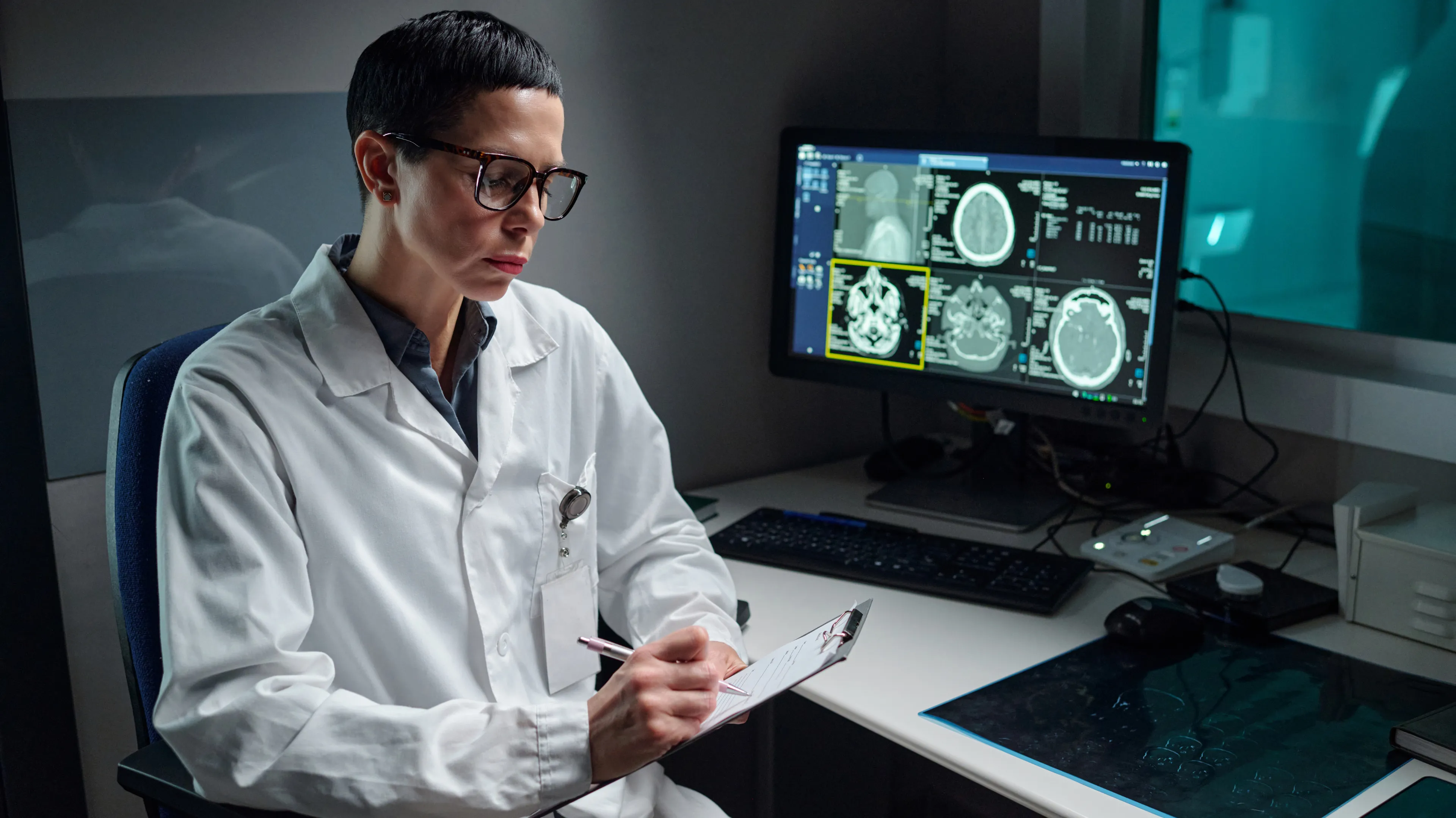
Siloed Medical Records
Each specialist maintained their own records in their own system — the dentist couldn't see the sleep physician's notes, and the ENT had no visibility into the dental treatment plan, creating dangerous information gaps.
Replacing fragmented communication between dentists, sleep physicians, ENTs, orthodontists, and myofunctional therapists with a unified collaboration hub — reducing care coordination time by 75% and achieving 96% patient satisfaction.
Unify Your Care TeamA multi-provider collaboration platform that gives every authorized specialist a unified view of the patient journey — shared imaging, shared notes, shared treatment plans, and secure messaging — turning fragmented care into coordinated treatment.
The platform supports role-based access controls, DICOM and 3D scan sharing via secure links, bi-directional referral tracking, and HL7 integration for interoperability with hospital systems.
Treating sleep apnea properly involves dentists, sleep physicians, ENTs, orthodontists, and myofunctional therapists — but they all use different systems, leading to fragmented care, duplicated tests, and conflicting treatment plans that confuse patients and delay outcomes.
A multi-specialist sleep center was losing patients because the dentist, sleep physician, and ENT couldn't see each other's notes. Patients repeated their history at every visit, labs ordered duplicate sleep tests, and conflicting treatment plans left patients unsure who to listen to.
The goal was to build a collaboration hub that gave every authorized provider a single, unified view of the patient — shared records, shared imaging, shared treatment plans — without requiring every specialist to adopt the same full EHR system.
Each specialist maintained their own records in their own system — the dentist couldn't see the sleep physician's notes, and the ENT had no visibility into the dental treatment plan, creating dangerous information gaps.
Without shared records, specialists routinely ordered duplicate sleep tests, imaging studies, and lab work — wasting patient time, increasing costs, and delaying treatment.
When specialists couldn't see each other's plans, patients received conflicting treatment recommendations — undermining trust and causing patients to disengage from care entirely.
Patients had to repeat their medical history, symptoms, and treatment progress at every specialist visit — a frustrating experience that contributed to poor satisfaction scores and patient attrition.
We built a lightweight collaboration layer that sits on top of existing systems — giving every specialist a shared view of the patient without requiring them to abandon their own EHR. Shared imaging, notes, and treatment plans make coordinated care the default.
DICOM and 3D scan viewers accessible via secure shared links — specialists can review imaging in their browser without installing any software.
Granular permissions ensure each provider sees only the data relevant to their role — maintaining privacy while enabling the coordination that improves outcomes.
Every referral is tracked from initiation to completion with status updates flowing back to the referring provider — ensuring no patient falls through the referral gap.
Standards-based HL7 integration connects the collaboration hub to hospital systems, enabling data exchange without manual re-entry or proprietary lock-in.
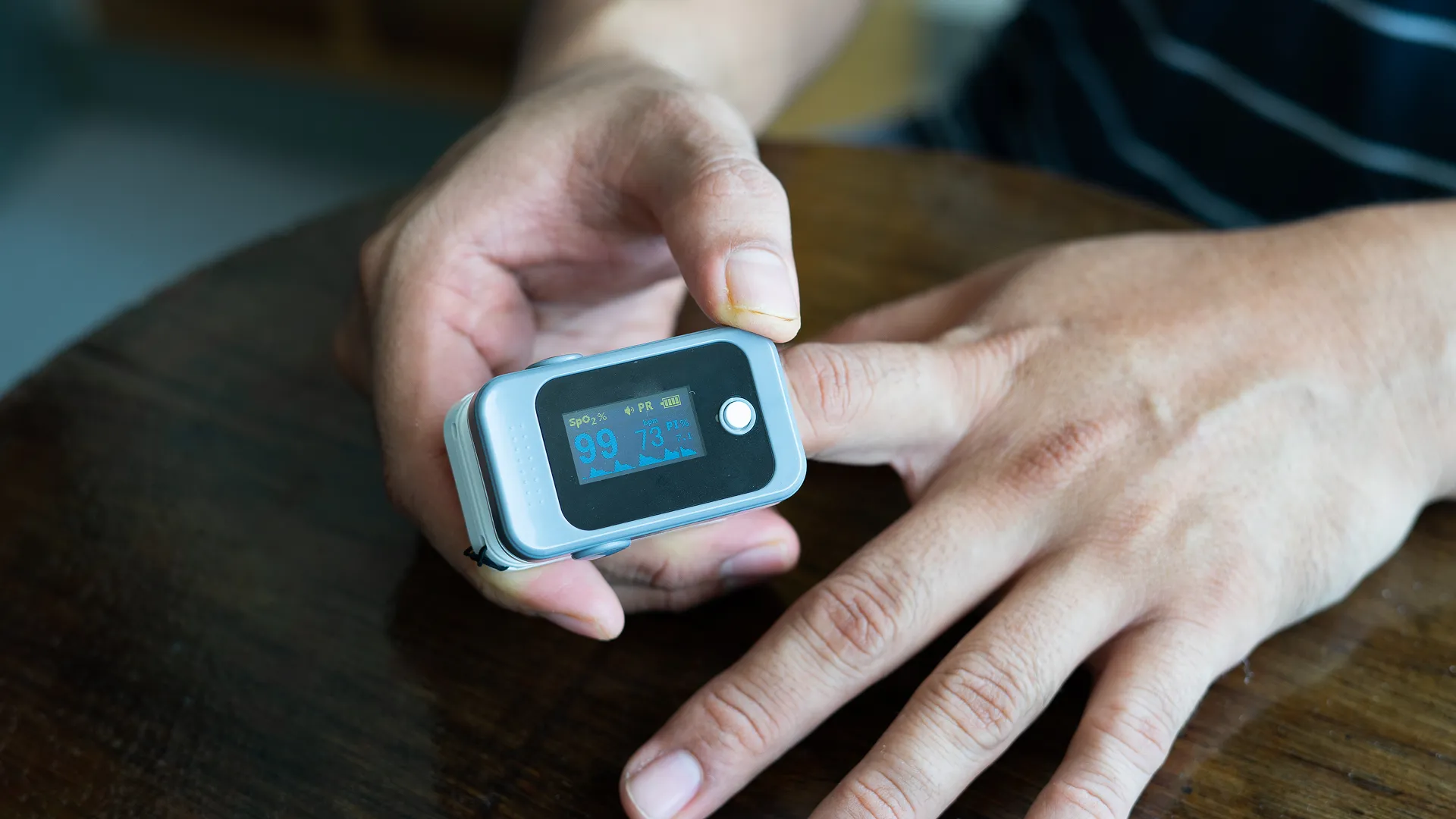
Enabling virtual consultations with integrated record sharing for remote patient management.
Creating a complete pediatric airway treatment workflow with age-appropriate tools and multi-specialist coordination.