
See what our clients say about working with Bonami Software across 200+ projects for 18+ industries. EXPLORE NOW!
We don't just build software. We deliver results. EXPLORE NOW!
See why businesses choose Bonami Software for reliable, scalable solutions. EXPLORE NOW!
We turn ideas into scalable products with proven delivery across 18+ industries. EXPLORE NOW!
See what our clients say about working with Bonami Software across 200+ projects for 18+ industries. EXPLORE NOW!
We don't just build software. We deliver results. EXPLORE NOW!
See why businesses choose Bonami Software for reliable, scalable solutions. EXPLORE NOW!
We turn ideas into scalable products with proven delivery across 18+ industries. EXPLORE NOW!

Device Data Should Flow. Not Get Transcribed.

We build the integration layer that connects bedside monitors, infusion pumps, and remote sensors directly to your EHR — automated, real-time, and LOINC-normalized.

BrowserStack
Persistent
Yatra
Kellton
Jade Global
Optum
PokerBaazi
Walmart
BrowserStack
Persistent
Yatra
Kellton
Jade Global
Optum
PokerBaazi
Walmart

Book a Device Integration Consultation

Talk to our integration team about your clinical device landscape. We reply within 24 hours.

  • We respond within 24 hours, fully NDA-protected.
BrowserStack
Persistent
Yatra
Kellton
Jade Global
Optum
PokerBaazi
Walmart
BrowserStack
Persistent
Yatra
Kellton
Jade Global
Optum
PokerBaazi
Walmart

Trusted by startups and global leaders

BrowserStack
Persistent
Yatra
Kellton
Jade Global
Optum
PokerBaazi
Walmart
BrowserStack
Persistent
Yatra
Kellton
Jade Global
Optum
PokerBaazi
Walmart

Device-Generated Data That Never Reaches the EHR Is a Clinical Problem

Bedside monitors, infusion pumps, and remote sensors generate critical patient data continuously. Without a proper integration layer, that data either gets manually transcribed or disappears entirely.

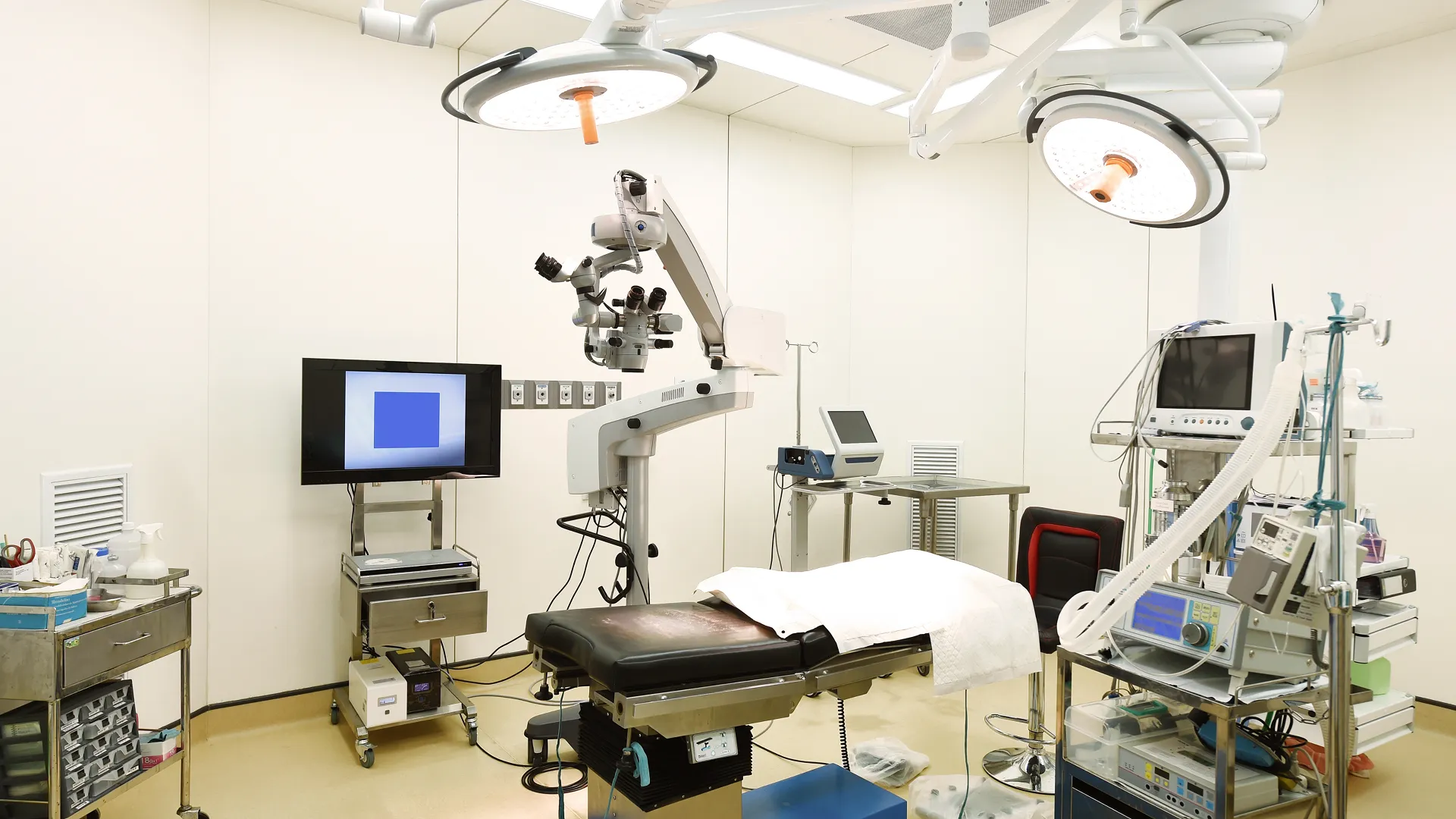
Operating room clinical devices integrated with EHR systems
🏥

Inpatient Device Integration

Bedside monitors, infusion pumps, ventilators, and point-of-care testing devices in hospital settings. Vital signs, medication administration records, and lab results flow automatically into the EHR — eliminating manual transcription and documentation gaps.

📡

Remote Patient Monitoring

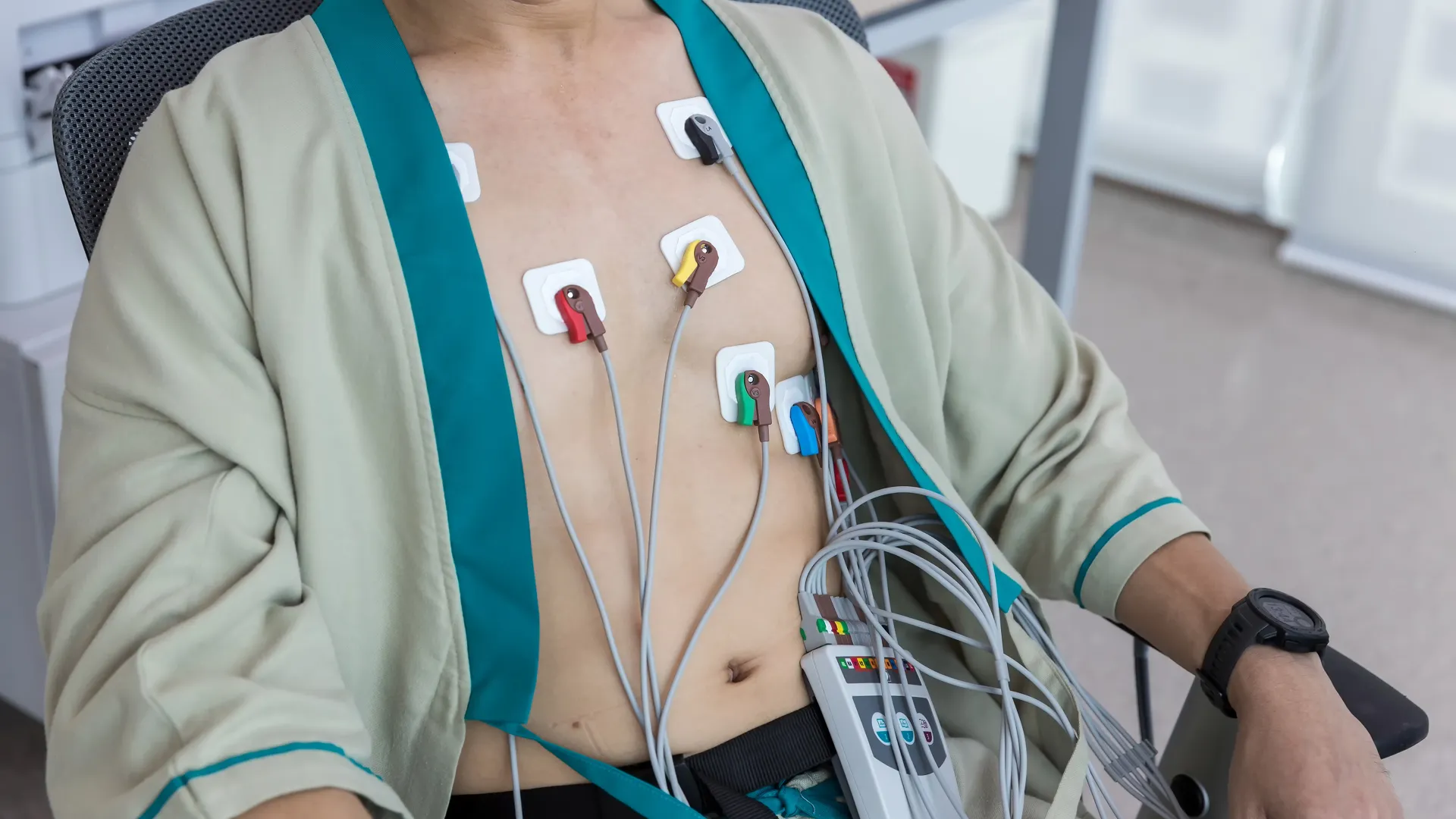
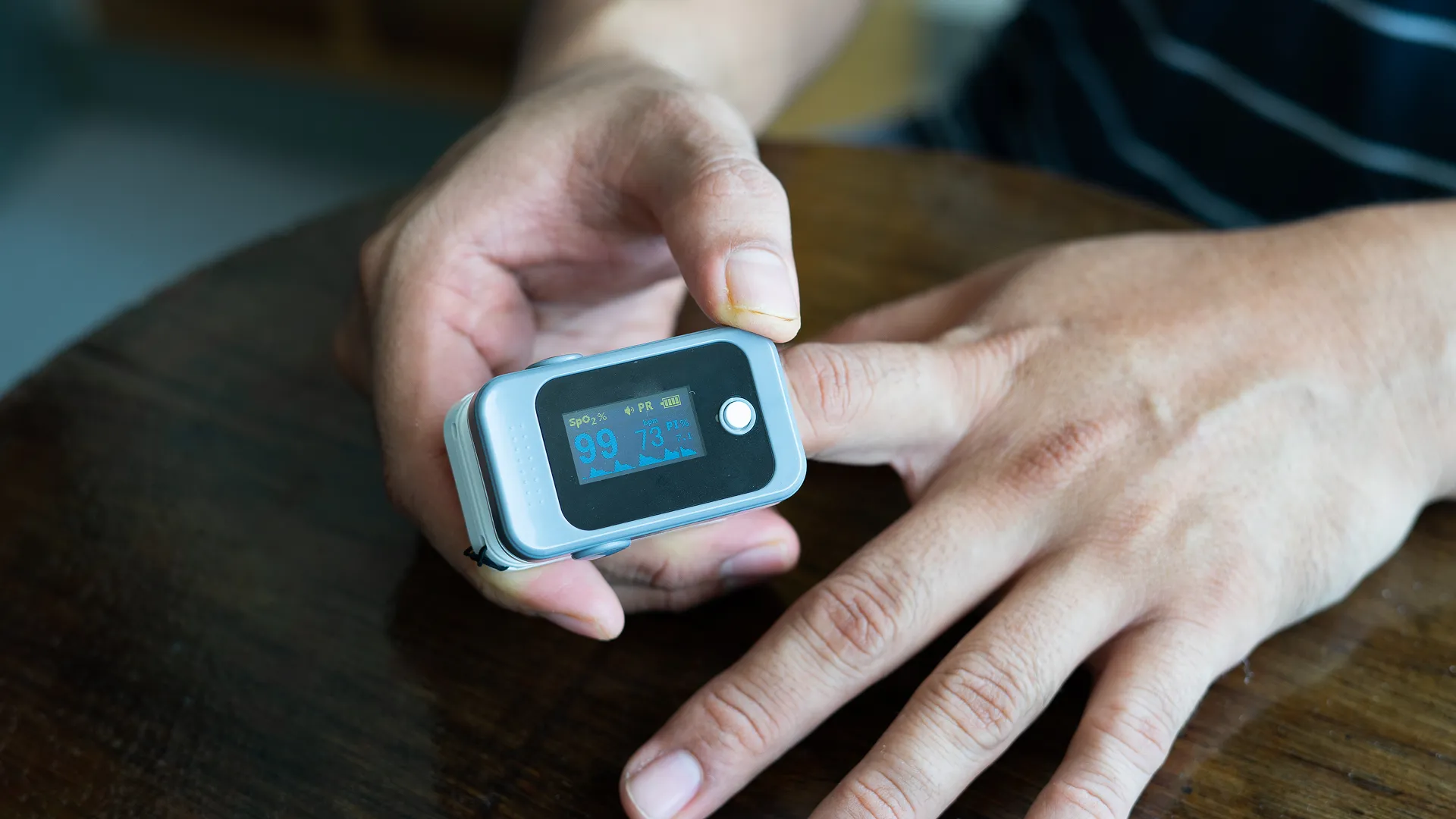
Wearable devices and home health monitors for chronic disease management. Data from connected blood pressure cuffs, pulse oximeters, and continuous glucose monitors reaches care teams as structured FHIR Observation resources or HL7 messages.

🔬

Point-of-Care Connectivity

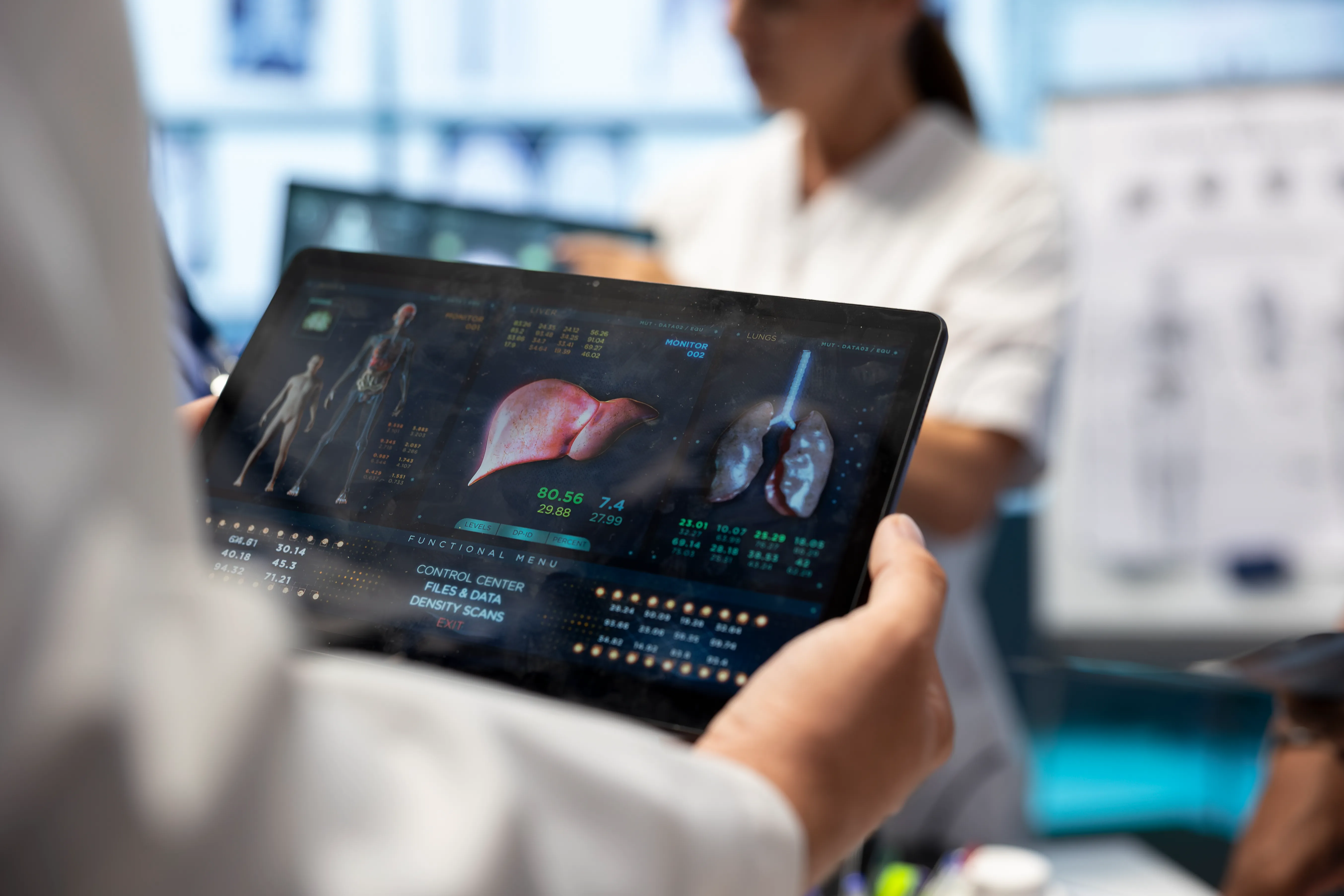
Bedside and outpatient point-of-care testing devices delivering blood glucose, coagulation, blood gas, and electrolyte results directly to the EHR as structured laboratory observations — linked to the correct patient, encounter, and ordering provider.

Device Data That Cannot Wait for Manual Entry

Hover to explore why automated device-to-EHR data flow matters in 2026.

Key Capabilities — What Medical Device Integration Covers

We build automated, reliable pathways for device-generated data to flow directly into the clinical record — inpatient, outpatient, and remote.

Bedside Monitor Integration

Continuous vital signs — heart rate, blood pressure, oxygen saturation, respiratory rate, temperature, and waveform data — captured from bedside patient monitors and written into the EHR as structured observation records at defined intervals. No transcription gaps, no documentation burden on nursing staff.

Why Device Integration Is Harder Than It Looks

The devices exist. The EHR exists. Getting reliable, accurate, clinically meaningful data from one to the other involves engineering decisions that are invisible until something goes wrong.

Every Device Manufacturer Uses a Different Protocol

Philips, GE, Mindray, Baxter, BD, Abbott — each uses proprietary formats alongside standards like IEEE 11073 and HL7. An integration that works for one device family rarely transfers to another without significant rework.

Normalization Requires Clinical Knowledge, Not Just Code

Mapping a device reading to the correct LOINC code, with the right UCUM unit, linked to the right observation category in the EHR, requires understanding what the measurement means clinically — not just what the device calls it.

Patient Identity Matching Cannot Fail

Device data written to the wrong patient record is a patient safety event. A production device integration must handle patient identification reliably — including edge cases like device assignment changes, admission transfers, and multi-patient rooms.

Alarm Volume Requires Thoughtful Filtering

Bedside monitors generate hundreds of alarms per patient per day. Routing every alarm event to the EHR and clinical communication systems without a well-designed filtering strategy creates noise that degrades both the data and the clinical workflow.

The Medical Device Integration Process

Device integration follows a five-step process from inventory to clinical validation. Each step has specific technical and clinical requirements that determine whether the integration will work reliably in production.

  • Device & Protocol Inventory

    Device & Protocol Inventory

    Device & Protocol Inventory

    Catalog every device needing integration, the data it produces, and the protocols it supports — IEEE 11073, HL7 FHIR, proprietary vendor APIs, or legacy serial protocols.

  • Integration Engine Configuration

    Integration Engine Configuration

    Integration Engine Configuration

    Configure a device integration engine or middleware to receive data from each device type — Capsule Technologies, Philips PerformanceBridge, cloud-based RPM platforms, or a custom integration layer.

  • Data Mapping & Normalization

    Data Mapping & Normalization

    Data Mapping & Normalization

    Map raw device data to LOINC codes, structure readings to HL7 or FHIR schemas, and standardize units to UCUM — so clinically accurate, consistently structured data arrives in the EHR.

  • EHR Write-back Configuration

    EHR Write-back Configuration

    EHR Write-back Configuration

    Configure normalized device data to the correct EHR destination — Epic Flowsheet API or HL7 ORU for vitals, Oracle Health write endpoints for lab results.

  • Clinical Validation & Go-Live

    Clinical Validation & Go-Live

    Clinical Validation & Go-Live

    Validate with clinical informatics staff that readings arrive at the correct intervals, linked to the correct patients, in the correct flowsheet rows — before retiring manual documentation.

Who This Is For

We build device integration infrastructure for hospitals, health systems, and digital health companies across the U.S. and Canada. Hover a card to see how we work with each.

Hospitals & Health Systems

Remote Patient Monitoring Programs

Digital Health & MedTech Companies

Provincial & National Health Programmes

Device Data Should Flow Automatically. Let's Build That Infrastructure.

Bedside monitors, infusion pumps, remote sensors — we build the integration layer that connects clinical devices to your EHR reliably and at scale. Book a consultation with our integration team and we will tell you what a production-ready device integration looks like for your environment.

Book a Device Integration Consultation
AI Readiness

Award-Winning AI Development & Consulting

2025

100 Fastest Growth Companies

2025

Global Spring Winner

2025

Top App Development Company

2024

AWS Partner Network

2024

Google Cloud Partner

2025

Highly Rated on Trustpilot

2024

Verified Agency

2024

Top App Development Company

2024

ASSOCHAM Member

Frequently Asked Questions

[ 1 ]

What standards govern medical device integration in the United States?

Several standards are relevant. IEEE 11073 is the international standard for point-of-care and personal health device communication. HL7 v2 ORU messages are the most common format for delivering device-generated results to EHR systems. FHIR Device and Observation resources are the modern standard for API-based integrations. The FDA also regulates certain software components that receive and act on device data as Software as a Medical Device — which has regulatory implications for how device integration platforms are designed and validated.

[ 2 ]

How does remote patient monitoring integration work technically?

Remote patient monitoring integration involves three layers. The device layer — a wearable or home health device captures measurements and transmits them via Bluetooth to a paired smartphone or hub. The platform layer — a cloud-based RPM platform receives data from the device manufacturer's API, stores it, and applies clinical logic such as threshold alerting. The EHR integration layer — normalized patient data is delivered to the care team's EHR as FHIR Observation resources or HL7 messages so the clinical record reflects what the patient's devices captured outside clinic visits.

[ 3 ]

What is the difference between device connectivity and device integration?

Device connectivity refers to the physical and network-level connection between a device and a receiving system. Device integration is the broader process that includes connectivity plus data normalization, clinical mapping, EHR write-back, and workflow integration. A device can be connected to a network without being integrated into the clinical workflow. Integration means the data the device generates actually appears in the right place in the EHR, linked to the right patient, in a clinically meaningful format that care teams can rely on.

[ 4 ]

Which clinical devices are most commonly integrated in U.S. and Canadian hospitals?

The most commonly integrated devices in inpatient settings are bedside patient monitors from Philips, GE Healthcare, Mindray, and Nihon Kohden. Infusion pumps from Baxter, BD, and ICU Medical are also widely integrated. Point-of-care testing devices from Abbott, Roche, and Nova Biomedical are integrated for bedside lab result delivery. In outpatient and remote settings, blood pressure monitors, pulse oximeters, and continuous glucose monitors from Dexcom and Abbott are common integration targets for remote patient monitoring programs.

Global presence

Two offices. One team.

Hi, I'm ARIA. Ask me anything about Bonami's AI agents.