



Award-Winning RPM Development Partner







The Devices We Connect
The connected devices we support by condition, and why each reading matters.


What We Build — From the Device to the Care Team
An RPM platform is six systems working together — each a place implementations quietly fail, and each where we build for clinical reality, not demo conditions.
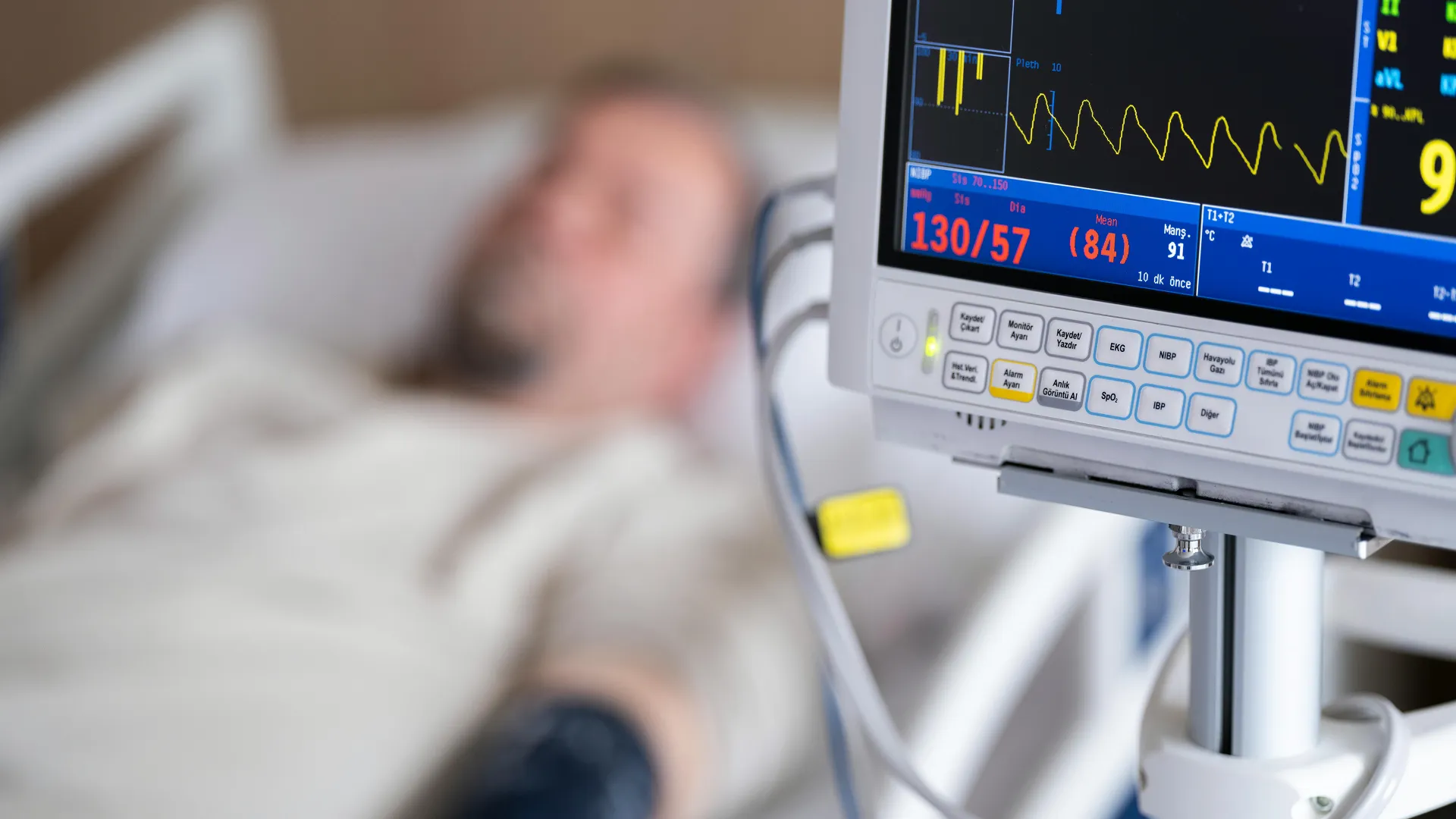
Connectivity for real-world conditions — easy pairing, cellular for patients without Wi-Fi, offline buffering, and transmission confirmation.

Raw readings contextualized against each patient's baseline, trends, and clinical profile — a clinical signal, not just a stream of numbers.
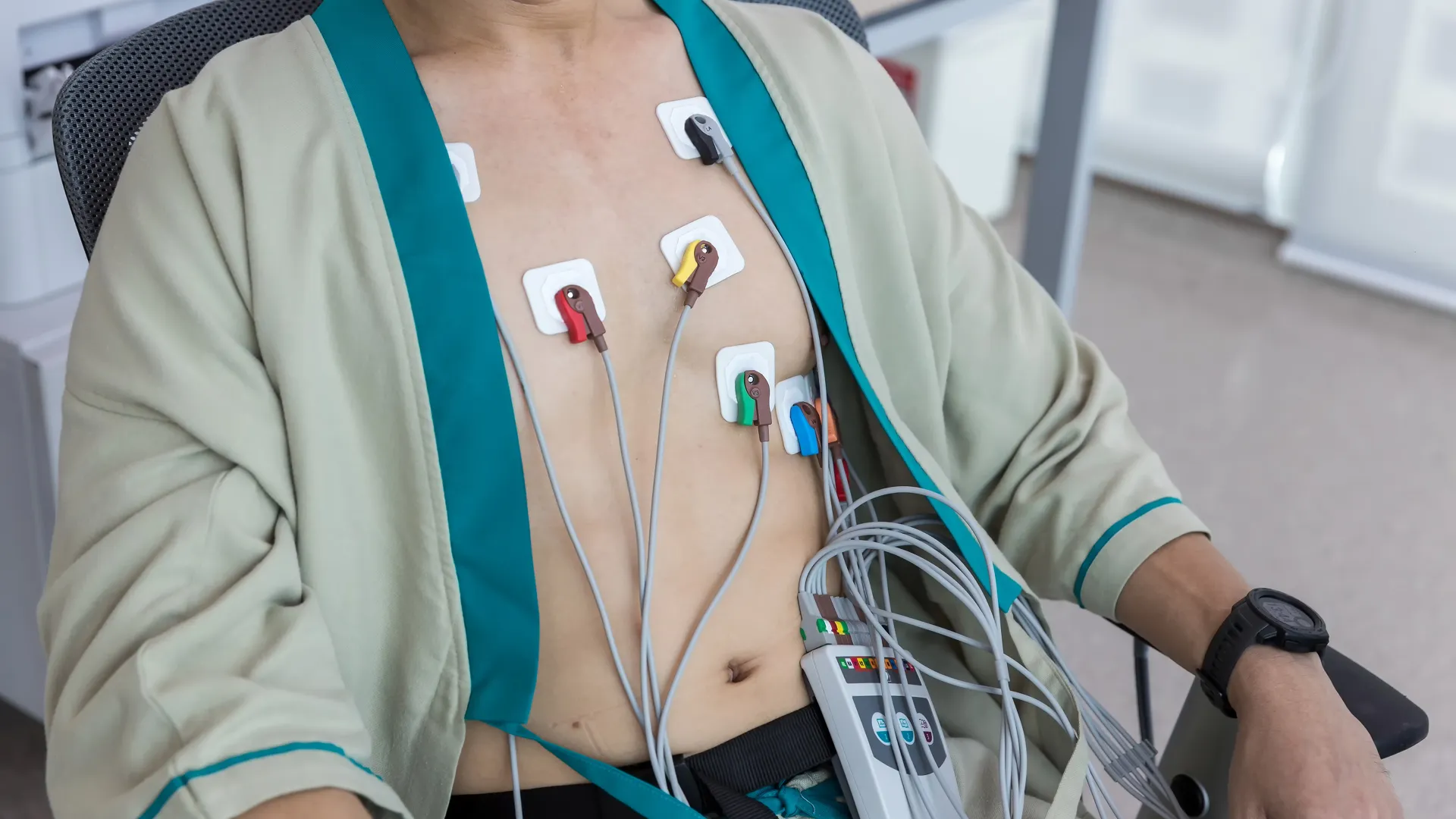
Alerts calibrated to clinical significance, not threshold proximity — patient-specific thresholds, routing, and automatic escalation.

A prioritized clinical worklist, not a list of readings — sorted by urgency, annotated with context, and linked to outreach and RPM billing.

A clear view of patients' own readings and trends, with condition-based education, medication reminders, symptom logging, and secure messaging.

Device readings, alerts, outreach notes, and billing records flow into your EHR automatically — FHIR-compliant and bidirectional where needed.
The AI Layer — What Intelligence Does in RPM
AI in RPM spots the pattern days earlier, flagging patients for outreach before deterioration turns acute.

Predictive Deterioration Modeling
Trained on your patient panel, not generic averages. Learns the patterns that precede deterioration and improves as data accumulates.
Automated Triage Prioritization
Scores incoming readings by clinical urgency and routes coordinator attention to the patients who need it most.
Adherence Prediction
Irregular transmissions and declining symptom logging are early disengagement signals — surfaced before the patient drops out.
Population Health Analytics
Aggregate RPM data is your richest longitudinal signal. We surface program effectiveness, disease-progression, and medication-efficacy signals episodic EHR data can't reach.
RPM Platforms We've Built. What Followed.
Each number comes from a connected-device platform we built.
Talk to Our Team35%
Fewer 30-day readmissions — CHF Remote Monitoring Program (no visibility between visits; time to detect fluid retention dropped from days to hours)
40%
HbA1c improvement at 6 months — Diabetes Management Platform, CGM + BP (adherence documentation supported CPT billing from month one)
88%
Treatment completion rate — OAT Chronic Care Monitoring (replaced a 16-step manual tracking process; care-team workload per patient down 55%)
½
30-day readmission rate cut in half — Post-Discharge Cardiac Monitoring (transitional care gaps closed; post-discharge response time under 2 hours)
65%
Higher early exacerbation detection — COPD Remote Monitoring Program (exacerbations previously caught only at the ED; ED visits down 40% in the monitored cohort)
45%
Of uncontrolled patients reached target BP in 90 days — Hypertension Management Platform (poor control across a large primary-care panel, no between-visit visibility)
35%
More care-coordinator panel capacity — Multi-Condition Chronic Care Platform (complex patients with 3+ conditions; one monitoring platform across all of them)
How We Build RPM Platforms
Hover or tap a stage to see what it actually involves.
-

Clinical Design First
Clinical Design First
Which patients, what data, who acts on alerts. Skip these and you get a platform that works technically and fails clinically.
-
Device Selection
Device Selection
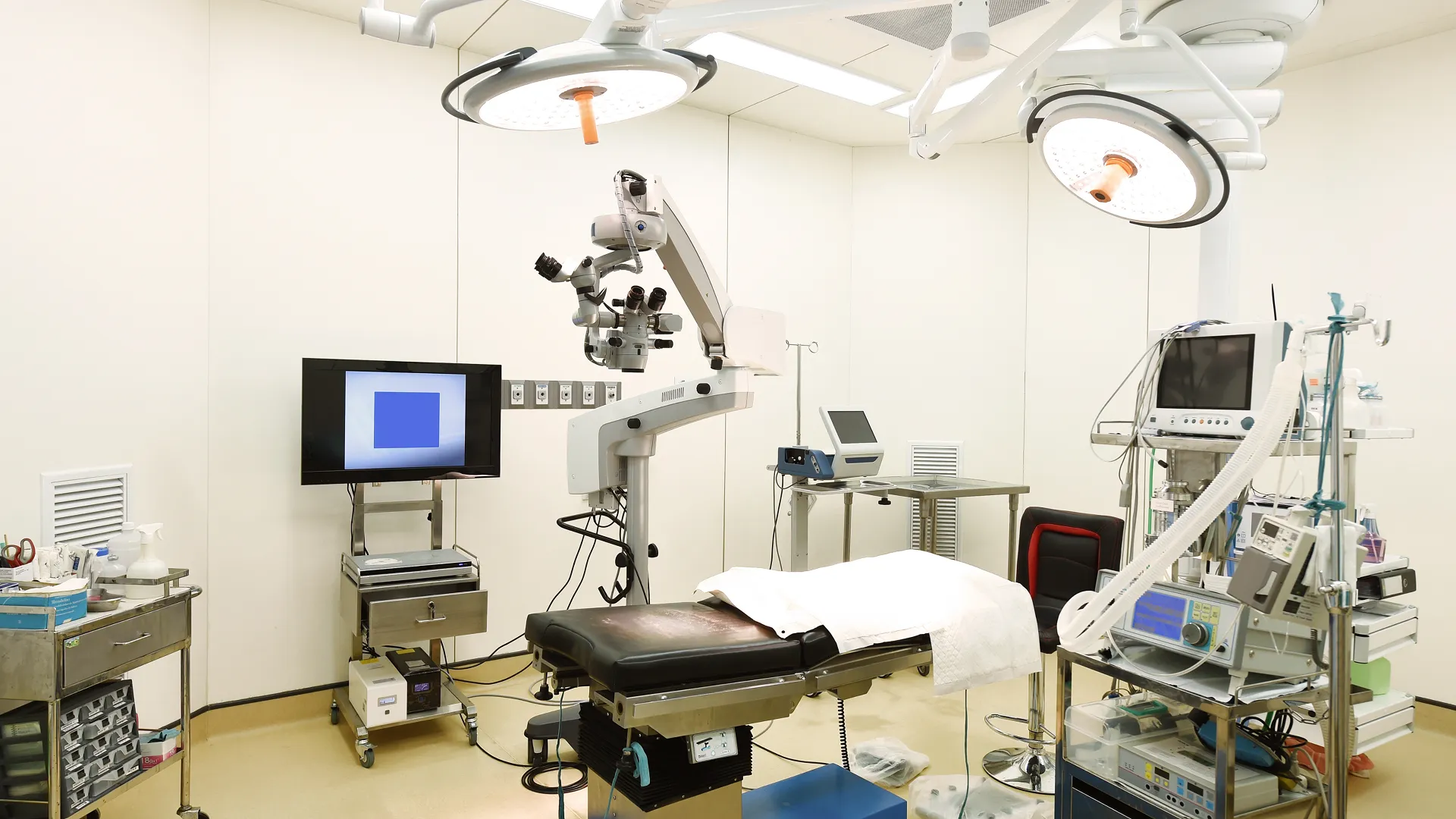
The right devices depend on your population and real-world conditions — connectivity, technical comfort, form factor. A clinical decision, not a procurement exercise.
-

Alerting Logic Before Code
Alerting Logic Before Code
Thresholds, routing, escalation, and suppression designed with your care team before development starts — so alerts get acted on, not ignored.
-

Patient Onboarding
Patient Onboarding
A patient not transmitting is one never enrolled. Setup, verification, and education are planned as a clinical workflow — not assumed to be self-service.
-

Reimbursement Built In
Reimbursement Built In
CPT 99453–99458 documentation — monitoring time, transmission counts, contact records — generated automatically, not reconstructed at billing time.

RPM Has a Regulatory Landscape That Changes Faster Than Most
RPM carries a heavier, faster-moving compliance burden than most clinical software. Every standard below is an architectural requirement, built in from the start.
Privacy
HIPAA, HITECH & Patient Data
Transmission, storage, and access controls for PHI off-site.
Security
Security & Connected-Device Risk
Independently audited controls plus IoT device hardening.
CMS Billing
CMS RPM Billing & Reimbursement
CPT docs, transmission thresholds, and supervision rules, automated.
Devices
FDA Device & Software Regulation
Device classification for RPM hardware and software, incl. SaMD.
State Rules
State Telehealth, RPM & Prescribing
State-specific monitoring and PDMP/prescribing rules across lines.
Accessibility
Accessibility
Usable by every patient and clinician, including older adults.
We've Built RPM Programs For Chronic Conditions
Connected-device programs built around each condition's monitoring parameters, alerting logic, and reimbursement profile.
Congestive Heart Failure
Hypertension
Post-Cardiac Event Monitoring
Atrial Fibrillation
Type 1 & Type 2 Diabetes
Obesity & Metabolic Syndrome
Chronic Kidney Disease
COPD & Asthma
Sleep Apnea & Respiratory Disorders
Post-COVID Long-Haul Monitoring
Epilepsy & Seizure Disorders
Parkinson's Disease
Opioid Use Disorder & MAT
Behavioral Health Chronic Care
Cancer & Chemotherapy Monitoring
Post-Surgical Transitional Care
Wound Care & Post-Surgical Recovery
Pediatric Chronic Disease
Geriatric Multi-Condition Management
High-Risk Pregnancy Monitoring
Technology Behind the RPM Platforms We Build
Device protocols, regulated cloud, and time-series infrastructure built for continuous device data.
 R
React Native (iOS & Android)
R
React Native (iOS & Android)
 R
React.js / Next.js
R
React.js / Next.js
 S
Swift
S
Swift
 K
Kotlin
K
Kotlin
 N
Node.js
N
Node.js
 P
Python (FastAPI)
P
Python (FastAPI)
 J
Java Spring Boot
C
CoreBluetooth (iOS)
A
Android BLE
J
Java Spring Boot
C
CoreBluetooth (iOS)
A
Android BLE
 C
Cellular Modem Integration
C
Cellular Modem Integration
 H
HL7 FHIR Device Resource
H
HL7 FHIR Device Resource
 I
IHE PCD
I
IHE PCD
 I
IEEE 11073
I
IEEE 11073
 P
PyTorch
P
PyTorch
 T
TensorFlow
S
scikit-learn
T
Time-Series Anomaly Detection
H
HL7 FHIR R4
T
TensorFlow
S
scikit-learn
T
Time-Series Anomaly Detection
H
HL7 FHIR R4
 H
HL7 v2
H
HL7 v2
 S
SNOMED CT
L
LOINC
E
Epic / Cerner / Athenahealth
M
Meditech / eClinicalWorks
S
SNOMED CT
L
LOINC
E
Epic / Cerner / Athenahealth
M
Meditech / eClinicalWorks
 P
PostgreSQL (clinical records)
I
InfluxDB / TimescaleDB (time-series)
P
PostgreSQL (clinical records)
I
InfluxDB / TimescaleDB (time-series)
 R
Redis (real-time alerting)
R
Redis (real-time alerting)
 S
Snowflake (population analytics)
S
Snowflake (population analytics)
 A
AWS GovCloud
A
AWS GovCloud
 G
Google Cloud Healthcare API
G
Google Cloud Healthcare API
 A
Azure Health Data Services
A
AES-256 Encryption
A
Azure Health Data Services
A
AES-256 Encryption
 O
OAuth 2.0 / RBAC / MFA
F
Full Audit Logging
O
OAuth 2.0 / RBAC / MFA
F
Full Audit Logging
The Patients Your Program Needs to Reach Are the Ones Least Visible Between Appointments
The patients driving your readmissions and care-management costs are often the ones you hear from least. RPM fixes this when it's built right. Thirty minutes, no pitch.
Book a Discovery Call
Award-Winning AI Development & Consulting
100 Fastest Growth Companies
Global Spring Winner
Top App Development Company
AWS Partner Network
Google Cloud Partner
Highly Rated on Trustpilot
Verified Agency
Top App Development Company
ASSOCHAM Member
Frequently Asked Questions
[ 1 ]
How do you handle patients who aren't comfortable with technology?
We build onboarding and device interfaces for low-tech patients: large text, simple steps, plus coordinator setup help.
[ 2 ]
What happens when a patient's device stops transmitting?
Our monitoring separates a technical dropout from a disengaged patient, routing each to support or a care coordinator.
[ 3 ]
How does RPM reimbursement actually work, and do you build for it?
Yes. Setup, transmission-day counts, monitoring time, and contact records generate automatically for CMS RPM billing.
[ 4 ]
Can RPM data integrate with our existing EHR?
Yes. We integrate with Epic, Cerner, Athenahealth, Meditech, and specialty EHRs so readings and billing records flow in.
[ 5 ]
How long does it take to build an RPM platform?
Single-condition platforms run four to six months; multi-condition with AI alerting and EHR integration, eight to twelve.
[ 6 ]
What about patients in rural areas with poor connectivity?
Cellular devices, offline buffering that sends when connectivity returns, and low-bandwidth protocols for rural patients.
[ 7 ]
Who owns the platform?
You do. Full IP transfer at close, with no per-patient fees or licensing that scales with your program size.
Global presence