

See what our clients say about working with Bonami Software across 200+ projects for 18+ industries. EXPLORE NOW!
We don't just build software. We deliver results. EXPLORE NOW!
See why businesses choose Bonami Software for reliable, scalable solutions. EXPLORE NOW!
We turn ideas into scalable products with proven delivery across 18+ industries. EXPLORE NOW!
See what our clients say about working with Bonami Software across 200+ projects for 18+ industries. EXPLORE NOW!
We don't just build software. We deliver results. EXPLORE NOW!
See why businesses choose Bonami Software for reliable, scalable solutions. EXPLORE NOW!
We turn ideas into scalable products with proven delivery across 18+ industries. EXPLORE NOW!

The Good Patients Never Came Back.

We build telemedicine platforms for organizations past the question of whether virtual care belongs in their model — and facing the harder one: how to build infrastructure that holds up under real clinical load.

Talk to Us About Your Virtual Care Build

Trusted by startups and global leaders

BrowserStack
Persistent
Yatra
Kellton
Jade Global
Optum
PokerBaazi
Walmart
BrowserStack
Persistent
Yatra
Kellton
Jade Global
Optum
PokerBaazi
Walmart

Three Situations We Build For

Most telemedicine platform projects start in one of three situations. Find yours below.

Telemedicine platform development scenarios
🚀

Building Virtual Care for the First Time

New service line, health-tech product, or first formal virtual care. No legacy constraints — but you need production-ready, compliant infrastructure that holds under real clinical load, not a demo that breaks the first busy Monday.

🔧

What You Have Isn't Working

You bolted a generic video tool onto clinical workflows for speed. No-shows are high, providers avoid it, documentation drags, reimbursement is inconsistent. Time to replace it with infrastructure built around how you actually deliver care.

🏥

Scaling Virtual Care Across an Enterprise

Virtual care works in pockets, but you need it across facilities, service lines, and states — with RPM, multi-state compliance, and EHR integration as first-class components, not per-department hacks.

What We Build Into Every Telemedicine Platform

Tech is the easy part. These six capabilities — built as integrated clinical infrastructure, not video tools with a healthcare label — make or break a platform.

Video Consultation Infrastructure

Clinical video, not white-labeled Zoom — identity verification, waiting-room management, adaptive bitrate that holds on mobile.

Asynchronous Messaging

Structured clinical system — messages triaged by urgency, auto-documenting responses, escalation to synchronous care in-platform.

Scheduling & Patient Flow

Real-time availability across time zones, same-day urgent slots, self-scheduling within clinical guardrails, insurance verification at booking.

The AI Layer — Where Intelligence Actually Belongs in a Telemedicine Platform

Not AI for its own sake. Four places where it changes the clinical and operational reality of running virtual care. Hover a card to see how.

Ambient Documentation for Telehealth

Async Message Triage Intelligence

Appointment Demand Forecasting

Clinical Decision Support in the Virtual Encounter

Telemedicine Platforms, Measured by What Changed After Go-Live

Hover to explore the numbers behind the virtual care platforms we've built and run in production.

The Hard Part Is Everything Around the Video

Any competent team can stand up a video interface. These are the problems generic video tools were never designed to solve — and the ones that decide whether a platform holds up in real clinical use.

The Scheduling Layer

Provider availability managed across time zones without the double bookings your front desk has to untangle by hand — and same-day urgent slots that don't disrupt scheduled flow.

Async Triage Routing

Patient messages routed to the right care team member by content and urgency — without creating a triage burden that consumes clinical staff time faster than it saves it.

E-Prescribing & PDMP

Prescribing that satisfies your state's PDMP and EPCS requirements at the point of care — not a separate workflow providers have to manage outside the clinical record.

The Documentation Layer

Telehealth encounters captured with the specificity that HIPAA, payer billing requirements, and your own quality standards demand — the elements payers audit before a claim gets paid.

Patient Authentication

Identity verification that satisfies regulatory requirements without enough friction that patients abandon the session before it starts.

Telemedicine Platforms We've Built. What the Numbers Showed.

Every number comes from a platform we shipped — tied to a real problem. Click through to see the platform behind each metric.

Talk to Us About Your Virtual Care Build
45%
Fewer missed appointments — Multispecialty Telemedicine Platform (phone-based virtual care was failing; patient satisfaction up 38%)
60%
Less triage time — Behavioral Health Virtual Care Platform (async messaging created triage chaos; ambient docs cut post-session charting to under 5 minutes)
35%
Fewer 30-day readmissions — Chronic Disease Management Platform, RPM + Video (high-risk patients unmonitored between visits; care-team response time down 70%)
47→12
Average wait minutes — Urgent Care Telemedicine Platform (same-day demand spikes drove patients to competitors; same-day capacity up 40%)
88%
Treatment completion rate — OAT Remote Monitoring Platform (replaced 16-step manual tracking; care-team workload per patient down 55%)
Zero
Prescribing compliance incidents in year one — Multi-State Virtual Care Platform (compliance across 14 states; full EPCS, PDMP integration automated)

How We Build Telemedicine Platforms

What the engagement actually looks like. The technology decisions follow from the clinical model — not the other way around. Hover or tap a stage to see what it involves.

  • Start With Your Clinical Model

    Start With Your Clinical Model

    Start With Your Clinical Model

    Not "what video infrastructure do you want," but what care delivery actually looks like — the patients, the encounter types, and the provider workflow from login to the last chart.
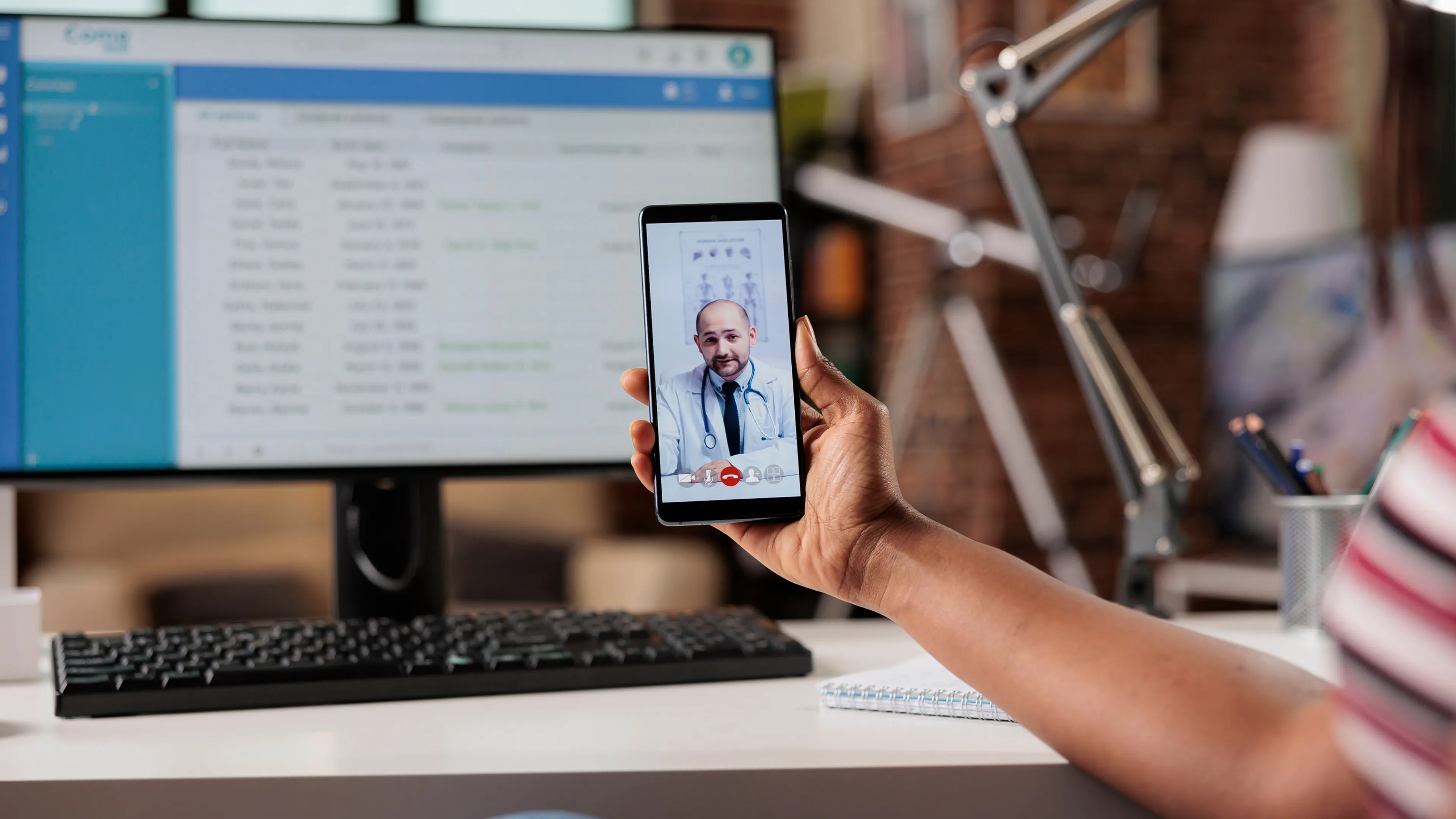
  • Built for Real Clinical Load

    Built for Real Clinical Load

    Built for Real Clinical Load

    We load-test for the demand your platform will actually face — Monday-morning urgent volume, a public-health spike — not the average-day numbers.
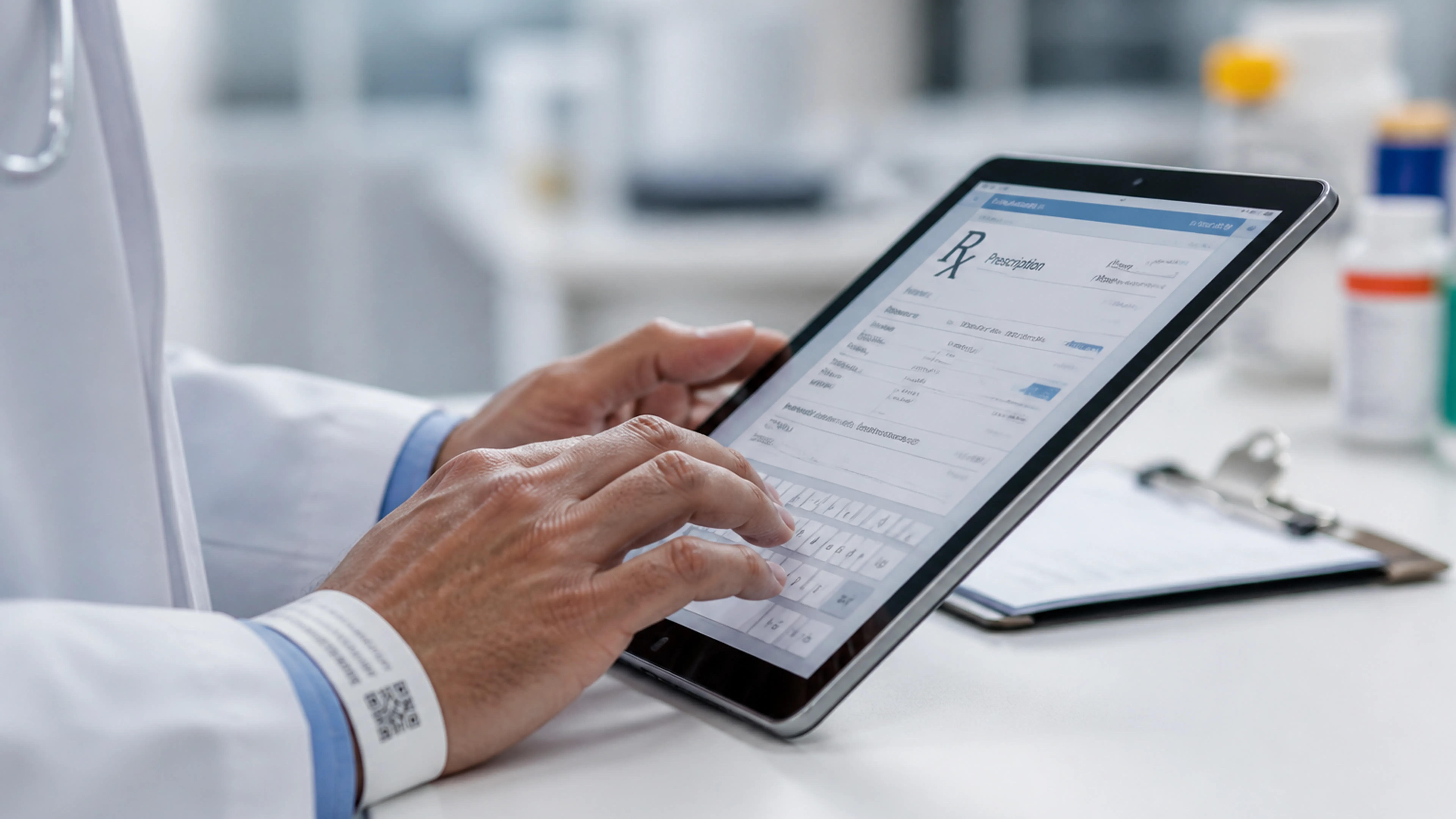
  • Compliance for Every State

    Compliance for Every State

    Compliance for Every State

    Telehealth rules vary by state. We map the requirements for every state in your service area during discovery — before any architecture decisions — and build all of them.

  • Integration Planned, Not Assumed

    Integration Planned, Not Assumed

    Integration Planned, Not Assumed

    We plan every EHR, scheduling, billing, and pharmacy connection explicitly — what flows where, and what happens when it fails — and build them as first-class components.

  • Tested With Real Users

    Tested With Real Users

    Tested With Real Users

    We test with actual providers and patients before go-live. The issues that surface here are different from technical QA — and far cheaper to fix before launch.

Telehealth Compliance We Treat as Architecture, Not a Checklist

Virtual care carries a heavier regulatory load than in-person care, and it varies by state. Every standard below is scoped in discovery and built in from the start.

Privacy

Privacy & Confidentiality

PHI handling, encryption, access controls, audit logging, and BAAs for every component touching a telehealth encounter — plus 42 CFR Part 2 for behavioral health treating SUD.

  • HIPAA
  • HITECH
  • 42 CFR Part 2
  • GDPR
  • CCPA
  • DPDP Act 2023
Security

Security & Risk

Independently audited security controls across the stack.

  • SOC 2 Type II
  • ISO/IEC 27001
  • OWASP Top 10
Prescribing

Telehealth Prescribing & PDMP

Federal and state rules for telehealth prescribing — EPCS for controlled substances, the Ryan Haight Act and DEA telehealth rules, and real-time PDMP integration that varies by state.

  • Ryan Haight Act
  • DEA EPCS Rules
  • State PDMP Integration
  • State Telehealth Practice Acts
Billing

Telehealth Billing & Reimbursement

The documentation that decides whether a telehealth claim gets paid — place-of-service codes, originating-site requirements, and tech/clinical rules that vary by payer and state.

  • CMS Telehealth Billing Guidelines
  • Place-of-Service Codes
  • Originating-Site Documentation
Interoperability

Interoperability & Connected Care

FHIR-compliant exchange with your EHR and clinical systems, plus FCC Connected Care rules for telehealth funding programs.

  • HL7 FHIR R4
  • ONC Interoperability
  • FCC Connected Care
Accessibility

Accessibility

Usable by every patient and clinician, by design.

  • WCAG 2.1 AA

Telemedicine Platform Who Builds on Our

The gap between organizations is not whether they have telemedicine — it's whether it works well enough that providers use it, patients show up, and payers reimburse it. Here's who we build virtual care infrastructure for.

Multispecialty Clinic Groups
Primary Care Practices
Chronic Disease Management Programs
Virtual Care That Works Is Not the Same Problem as Virtual Care That Exists

The gap isn't whether you have telemedicine — it's whether it works well enough that providers use it, patients show up, and payers reimburse it. Building for the first time, or fixing what isn't working? Let's talk. Thirty minutes. No pitch.

Book a Discovery Call
AI Readiness

Award-Winning AI Development & Consulting

2025

100 Fastest Growth Companies

2025

Global Spring Winner

2025

Top App Development Company

2024

AWS Partner Network

2024

Google Cloud Partner

2025

Highly Rated on Trustpilot

2024

Verified Agency

2024

Top App Development Company

2024

ASSOCHAM Member

Frequently Asked Questions

[ 1 ]

How is this different from using an existing platform like Teladoc or Doxy.me?

Existing platforms give you a generic tool you configure within the boundaries it was designed for. A custom platform is built around your clinical model from the start — the difference shows up in workflow fit, integration depth, and compliance infrastructure. Where virtual care is core rather than supplementary, the custom build typically pays for itself in operational efficiency within eighteen to twenty-four months.

[ 2 ]

How do you handle telehealth compliance across multiple states?

We map the requirements for every state in your service area during discovery — prescribing rules, consent, documentation standards, PDMP integration — and build to all of them. It's scoped explicitly as part of the project, not left to a generic compliance framework.

[ 3 ]

Can the platform integrate with our existing EHR?

Yes. We've integrated with Epic, Cerner, Athenahealth, Meditech, eClinicalWorks, and proprietary systems. The integration scope — what data flows where, in real time or batch — is defined during discovery and built as a first-class component, not an afterthought.

[ 4 ]

How long does it take to build a telemedicine platform?

A focused platform for a defined set of encounter types typically runs four to seven months. A full enterprise platform with RPM, multi-state compliance, and complex EHR integration runs eight to fourteen months. We give you a milestone-based timeline after discovery and hold to it.

[ 5 ]

What happens when there's a technical issue during a live clinical encounter?

We build for it: automatic reconnection without re-authentication, audio-only fallback when video degrades, and clear notifications about what happened and what to do next. Monitoring gives your team real-time visibility into session quality so they catch problems before providers report them.

[ 6 ]

Who owns the platform?

You do. Full IP transfer at project close — source code, documentation, everything. No per-consultation fees, no licensing costs that scale with your patient volume.

Global presence

Two offices. One team.

Hi, I'm ARIA. Ask me anything about Bonami's AI agents.