
Prior Authorization Automation, Handled End to End by AI Agents.
Reads payer policy, matches chart to criteria, drafts the packet, submits it, and works the appeal, with your clinicians in the loop. Built for Epic, Cerner, athena, and UAE TPAs.
Scope a 30-day PA pilot →Trusted By The Disruptors And Fortune 500s
Healthcare Compliance Standards
Healthcare software must satisfy regulators and protect patient data. We build solutions where data handling, authentication, and security controls meet HIPAA, HL7, and other healthcare regulatory requirements from day one.















The Engineering Stack Behind a Production PA Agent

EHR Integration
FHIR R4 against Epic, Cerner, athenahealth, NextGen, eClinicalWorks. Read encounter notes, problem list, medications, lab/imaging results, and prior auth history with explicit consent scope.

Payer Connectivity
Direct API where supported (Availity, Surescripts, CoverMyMeds, Cohere), portal automation for the rest. UAE TPA support for Daman, Thiqa, ADNIC, and DHA-DRG environments via eClaimLink.

Agent Orchestration
LangGraph or AutoGen-based multi-step agent with explicit state machine — never a single LLM call. Each step (ingest, match, draft, submit, track) is independently observable and replayable.

Grounded Generation
RAG over the payer policy corpus with citation-required output — the agent cannot generate a PA packet without naming the specific policy section it relied on. Eliminates the hallucination class.

Human-in-the-Loop Gates
Reviewer approval required before submission. Confidence-scored fields highlighted for clinician verification. No auto-submission until accuracy crosses agreed threshold on shadow runs.

Audit, Eval & Drift Monitoring
Every decision logged with full context — model version, retrieved policy, generated output, reviewer edits. Continuous eval against gold-standard PA outcomes. Drift alerts when payer policy changes break old templates.
Build & Deploy Path
How We Take a PA Agent From Scope to Production
A delivery cadence built around payer-specific accuracy, clinician trust, and the audit evidence your compliance team will hand to a payer auditor.
We map your top payers, the volume by service line, the manual PA hours today, and the denial baseline. Output: a payer matrix that names which payers we automate first and which we leave manual until volume justifies.
Build the payer policy knowledge base — ingest medical policies, formulary rules, recent denial patterns. Define the criteria-to-chart mapping for the top 20 high-volume PA types. This is the agent's judgment layer.
Agent runs in shadow alongside your PA team for 4-6 weeks. Generates drafts but does not submit. Clinician and PA team rate accuracy. We tune until agreement rate crosses your threshold — typically 92%+ on policy citations.
Submission goes live on the highest-volume, lowest-clinical-risk PA categories first (typically imaging, durable medical equipment). Clinician approves every submission. Expand category-by-category as accuracy holds.
Payer policies change quarterly. Drift monitoring catches breaking changes. Accuracy dashboards by payer, service line, and reviewer. Quarterly retraining on the latest denial patterns. Expand to new PA types as the team is ready.
Scope & Payer Map
We map your top payers, the volume by service line, the manual PA hours today, and the denial baseline. Output: a payer matrix that names which payers we automate first and which we leave manual until volume justifies.
Policy Corpus & Criteria Modeling
Build the payer policy knowledge base — ingest medical policies, formulary rules, recent denial patterns. Define the criteria-to-chart mapping for the top 20 high-volume PA types. This is the agent's judgment layer.
Shadow Mode + Clinician Eval
Agent runs in shadow alongside your PA team for 4-6 weeks. Generates drafts but does not submit. Clinician and PA team rate accuracy. We tune until agreement rate crosses your threshold — typically 92%+ on policy citations.
Controlled Rollout
Submission goes live on the highest-volume, lowest-clinical-risk PA categories first (typically imaging, durable medical equipment). Clinician approves every submission. Expand category-by-category as accuracy holds.
Monitor, Retrain, Expand
Payer policies change quarterly. Drift monitoring catches breaking changes. Accuracy dashboards by payer, service line, and reviewer. Quarterly retraining on the latest denial patterns. Expand to new PA types as the team is ready.
Innovation Engineered By Bonami
Agalia
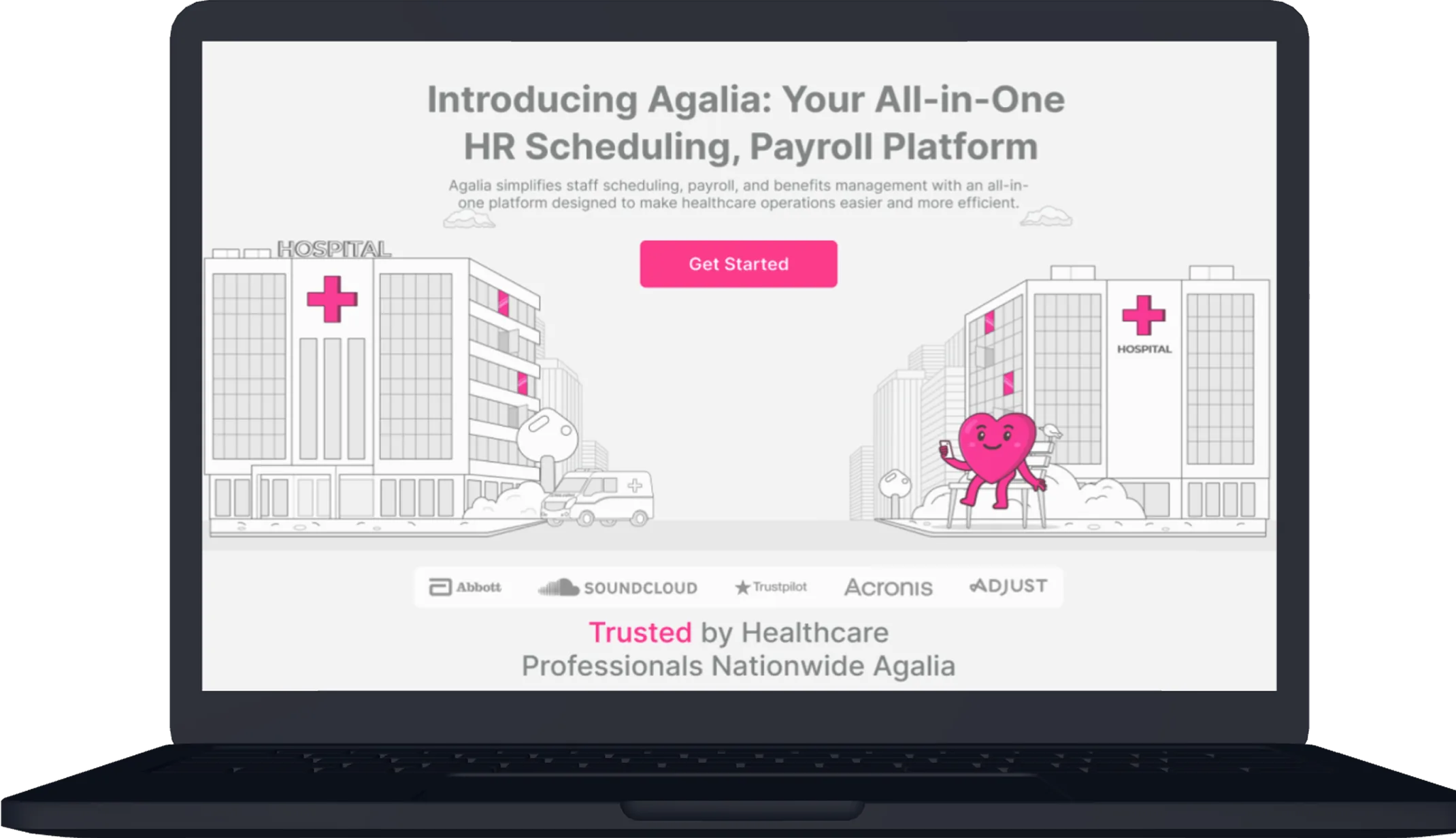
Agalia is an all-in-one HR, scheduling, and payroll platform purpose-built for healthcare organizations.
Appnea
Appnea is a next-generation dental sleep medicine platform that helps dentists treat sleep apnea, snoring, and TMJ disorders.

Intellicode
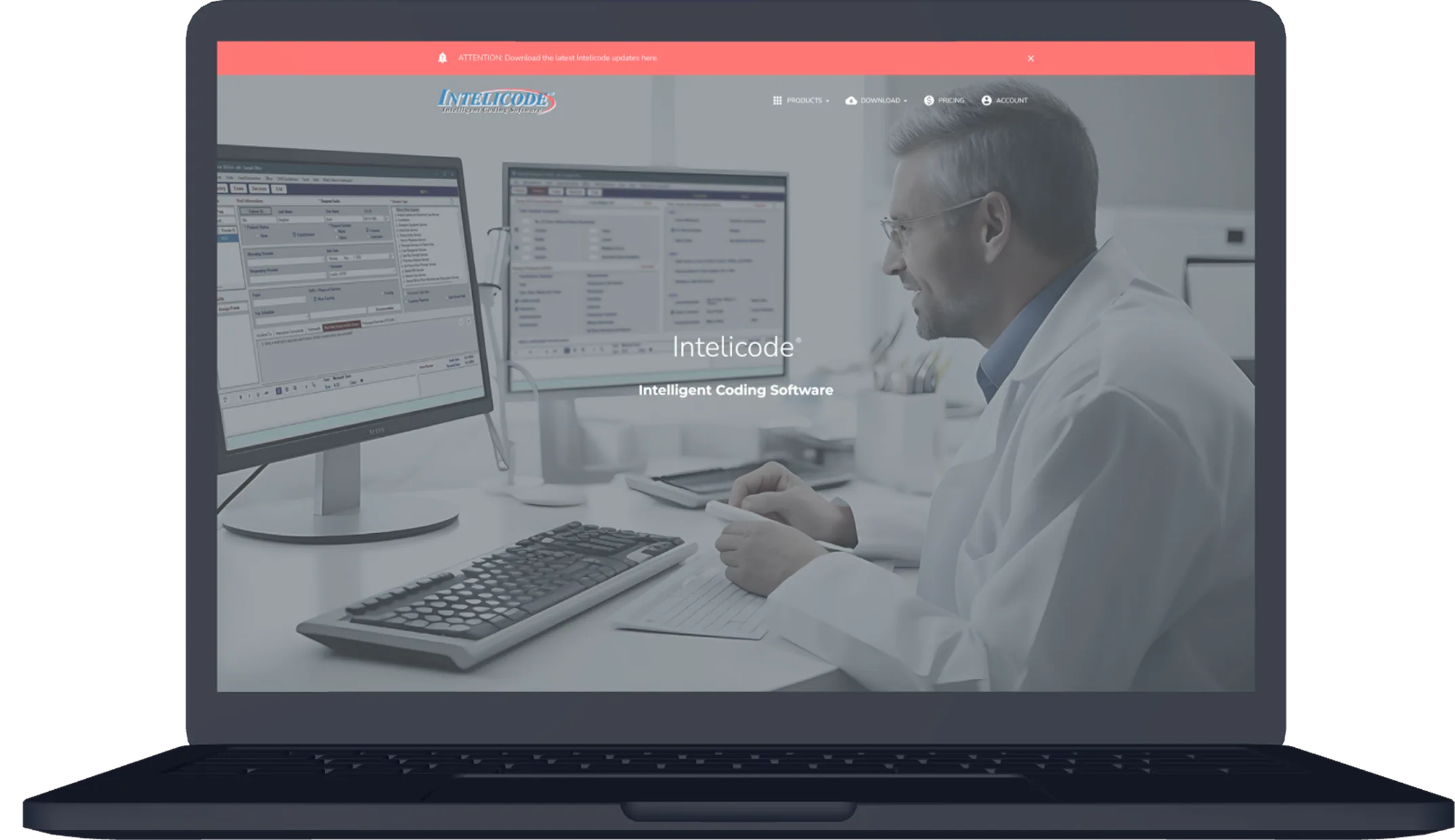
Intellicode is a trusted medical coding and auditing software used by healthcare professionals for over two decades.
Velo Lab
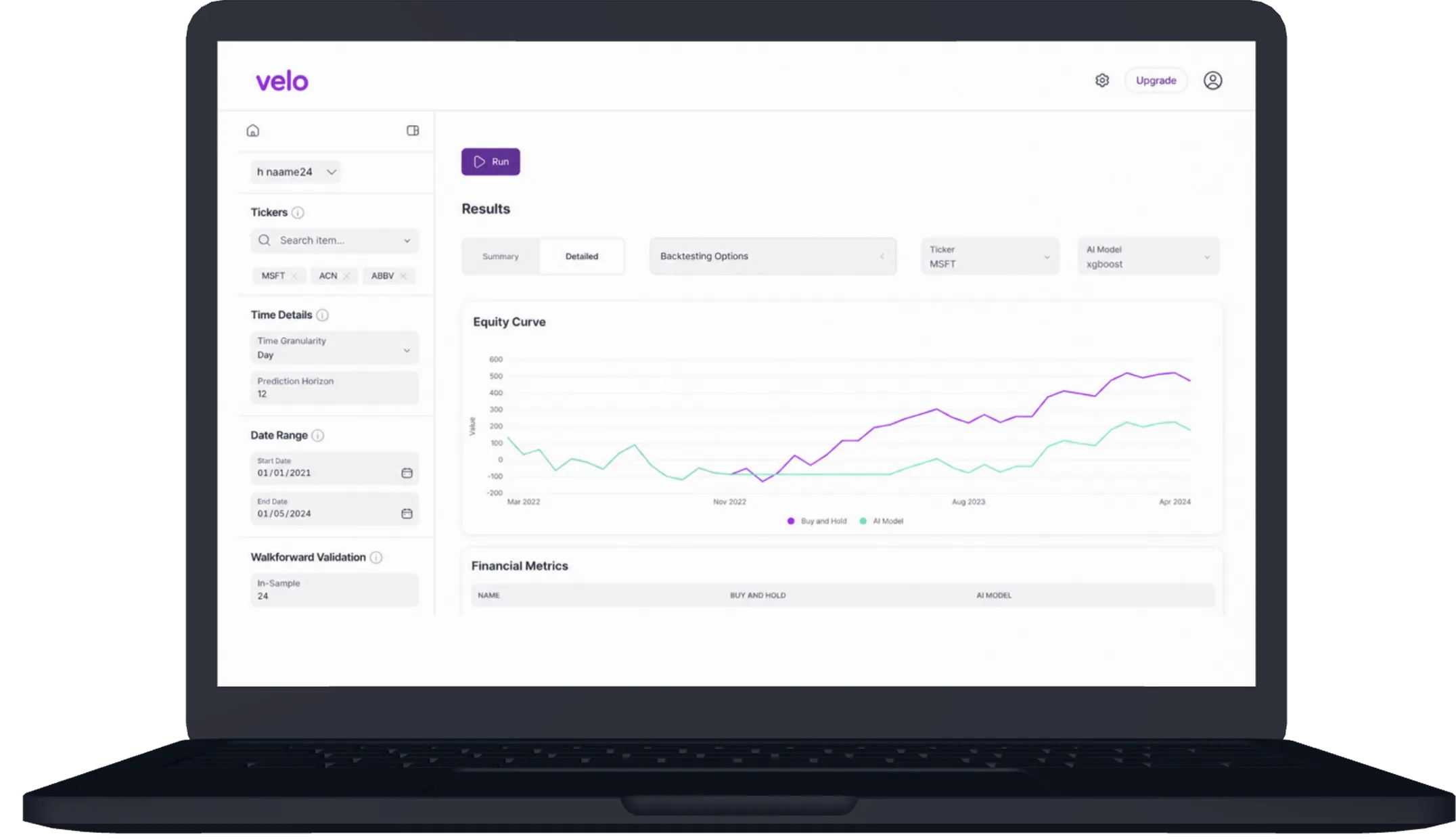
Velo Lab is a no-code AI research platform that brings institutional-grade quantitative trading to everyday investors.
Primefone
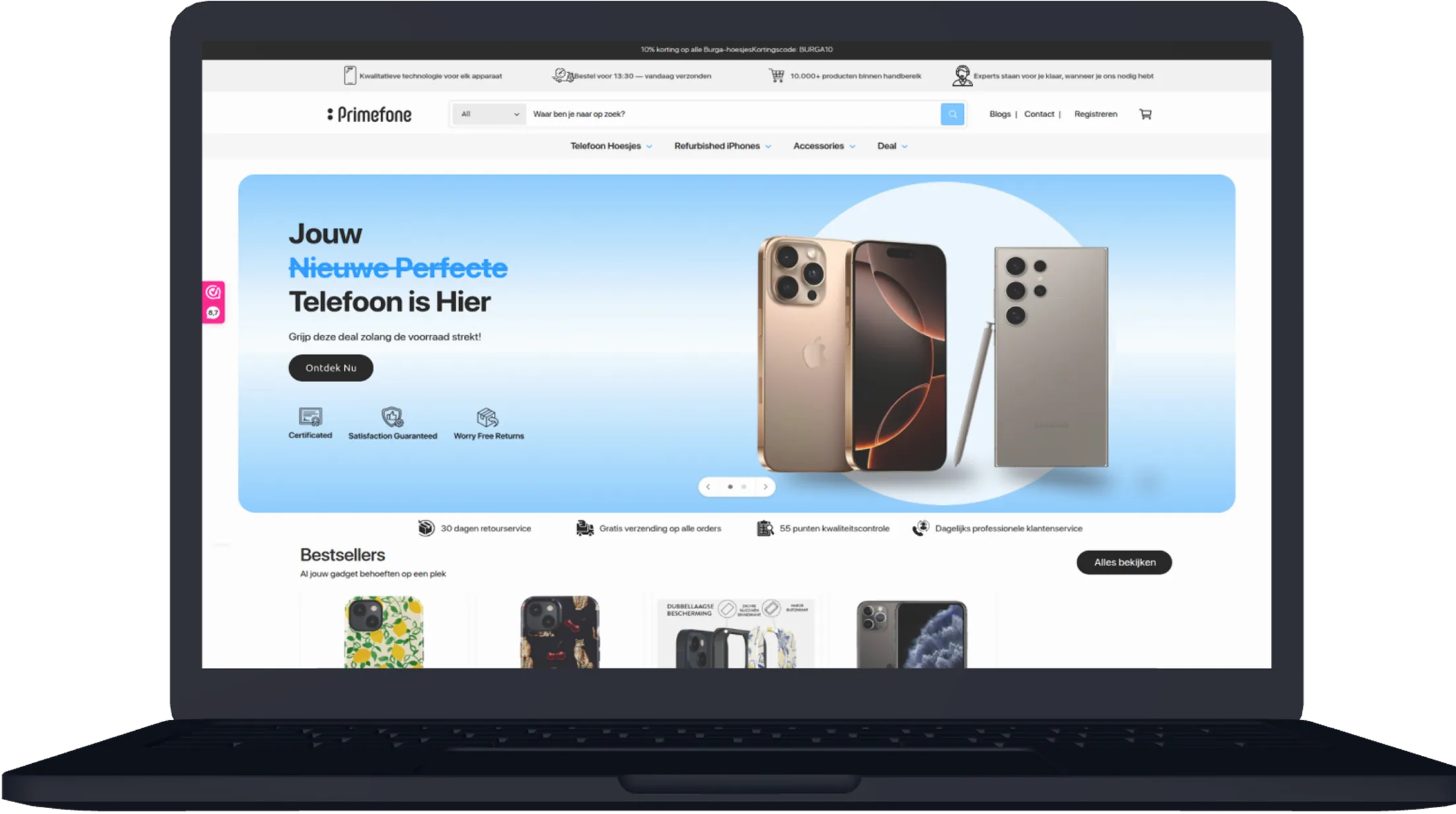
Primefone is Amsterdam's go-to destination for premium phone cases, accessories, and repairs — available both online and in-store.
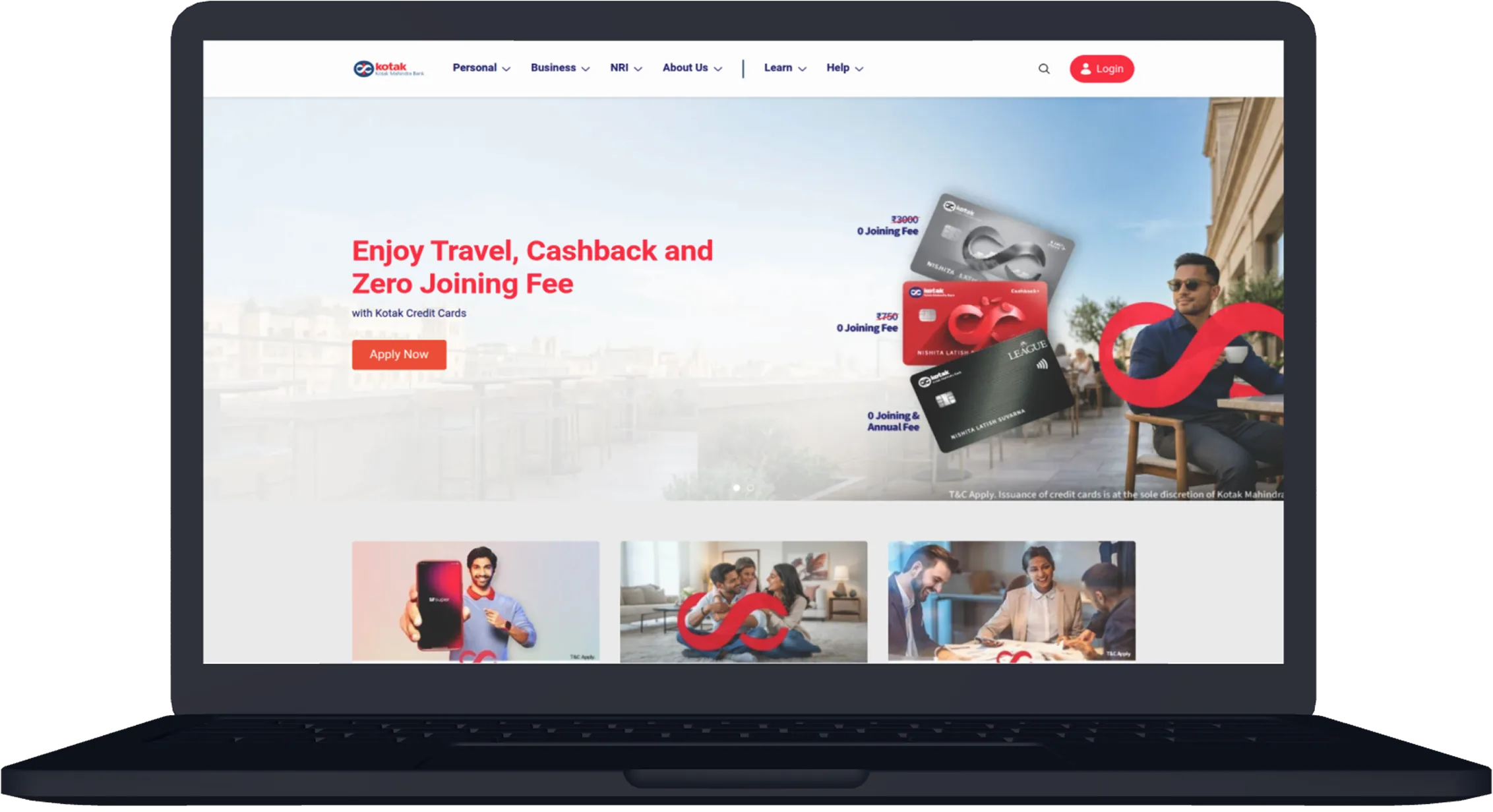
Kotak Mahindra Bank
Kotak Mahindra Bank is one of India's leading private-sector banks, offering a full spectrum of personal, business, and NRI banking services.
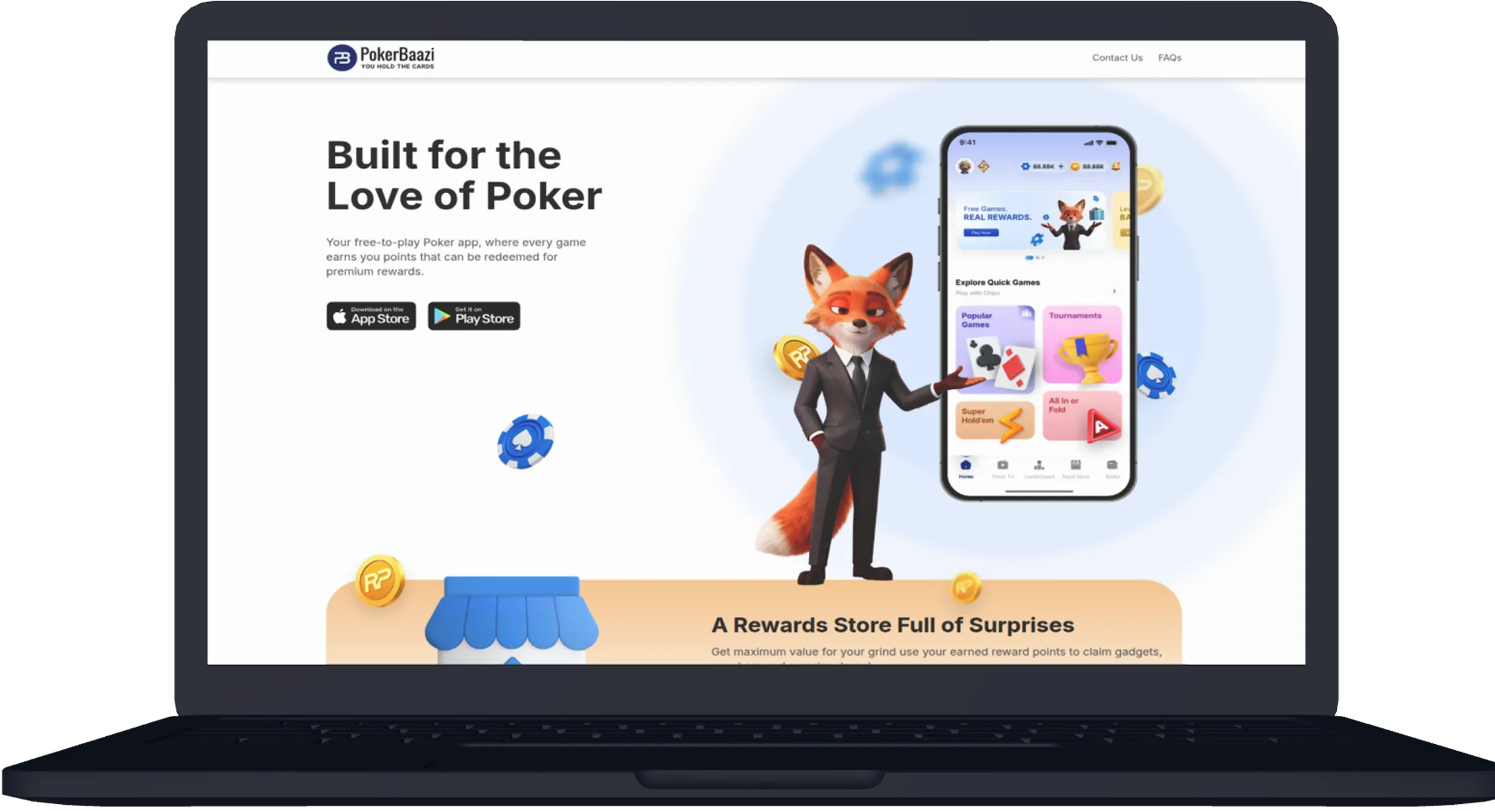
PokerBaazi
PokerBaazi is India's leading homegrown online poker platform, delivering a world-class real-money gaming experience backed by brand ambassador Shahid Kapoor.
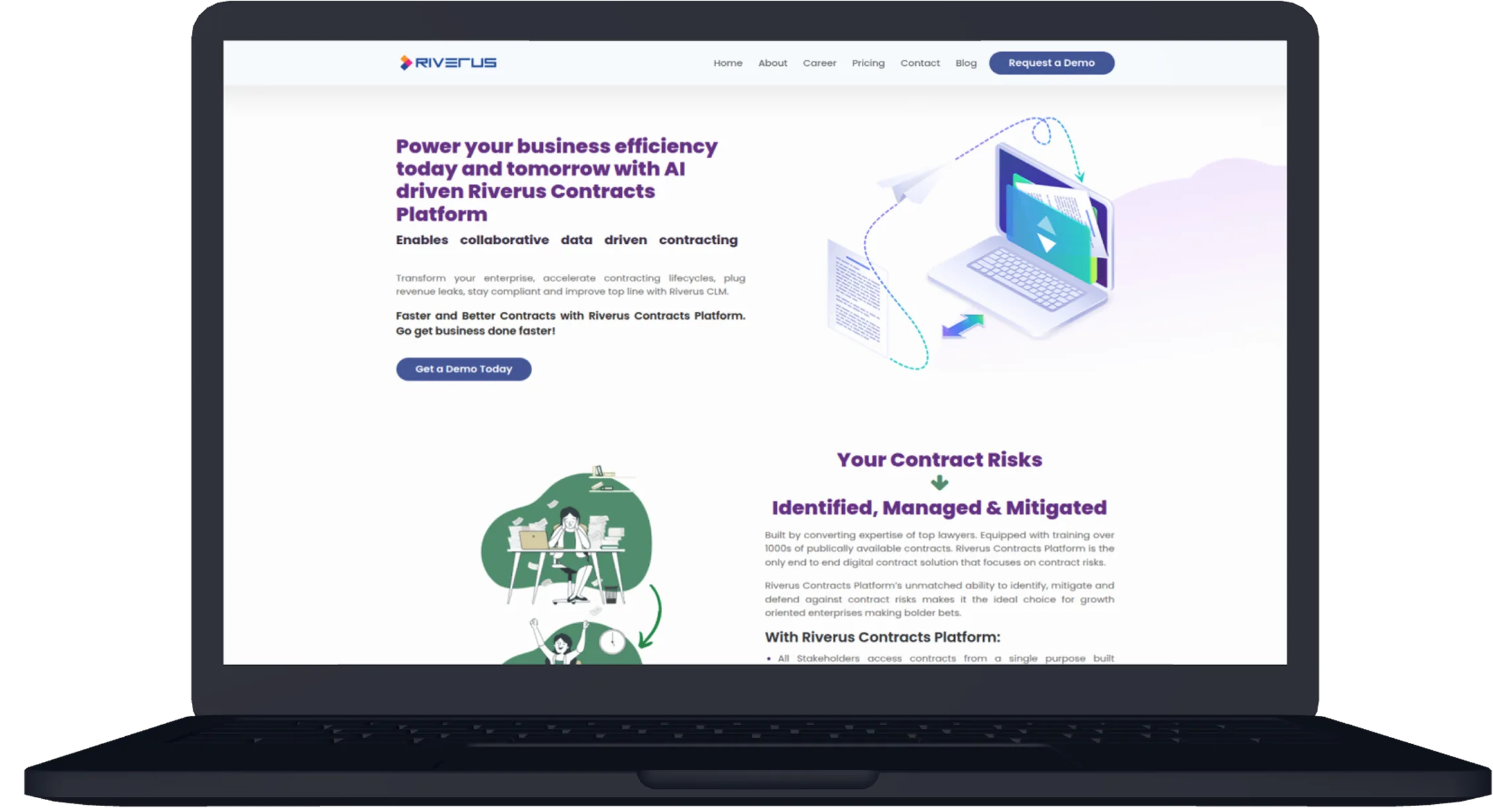
Riverus
Riverus is an AI-driven contract lifecycle management platform built by lawyers, engineers, and data scientists.
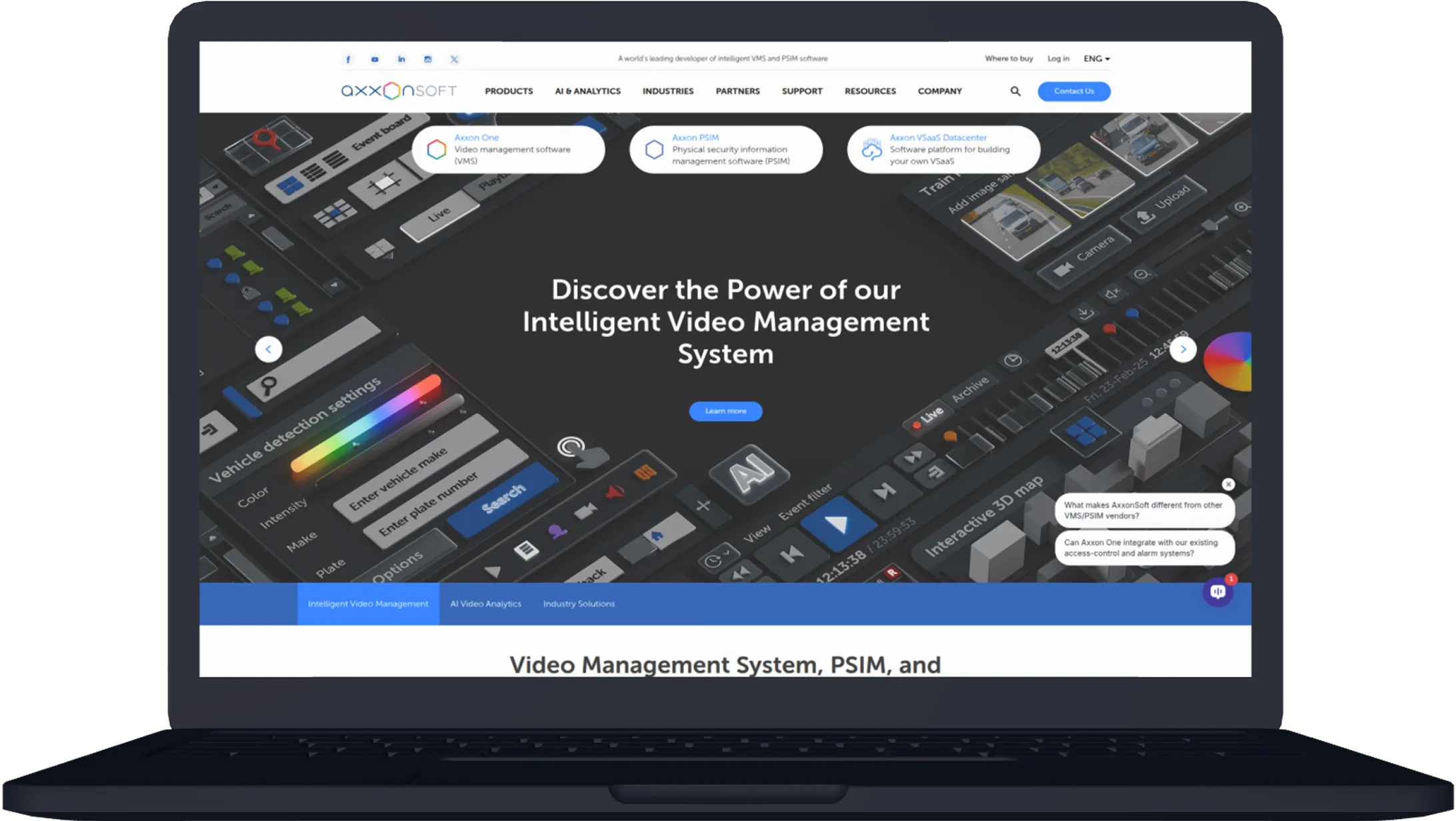
AxxonSoft
AxxonSoft is a global leader in intelligent video management and physical security software, trusted in over 140 countries.
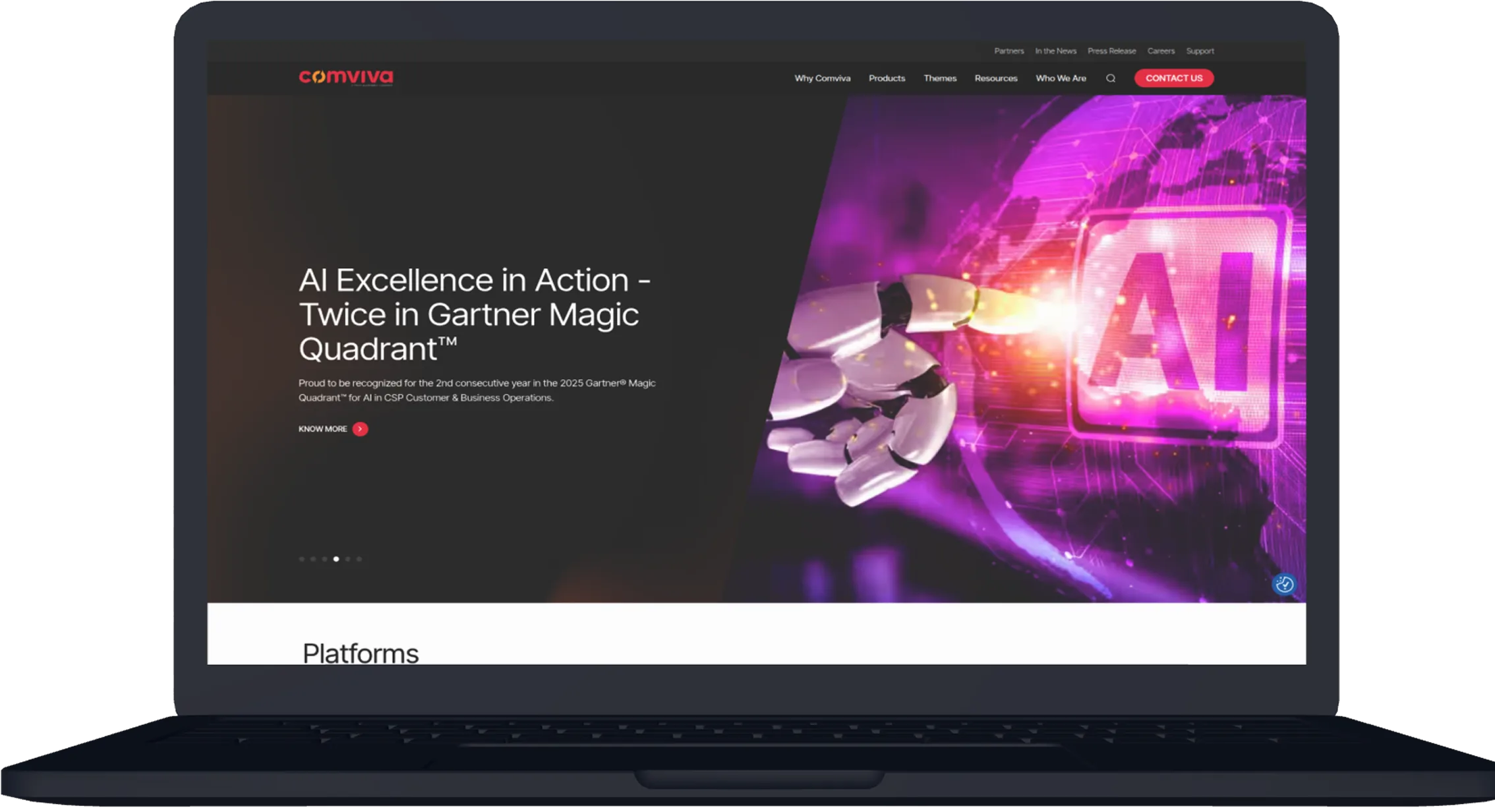
Comviva
Comviva, a Tech Mahindra company, is a global leader in FinTech, MarTech, and DigiTech software platforms powering 200+ telcos, banks, and enterprises across 100+ countries.
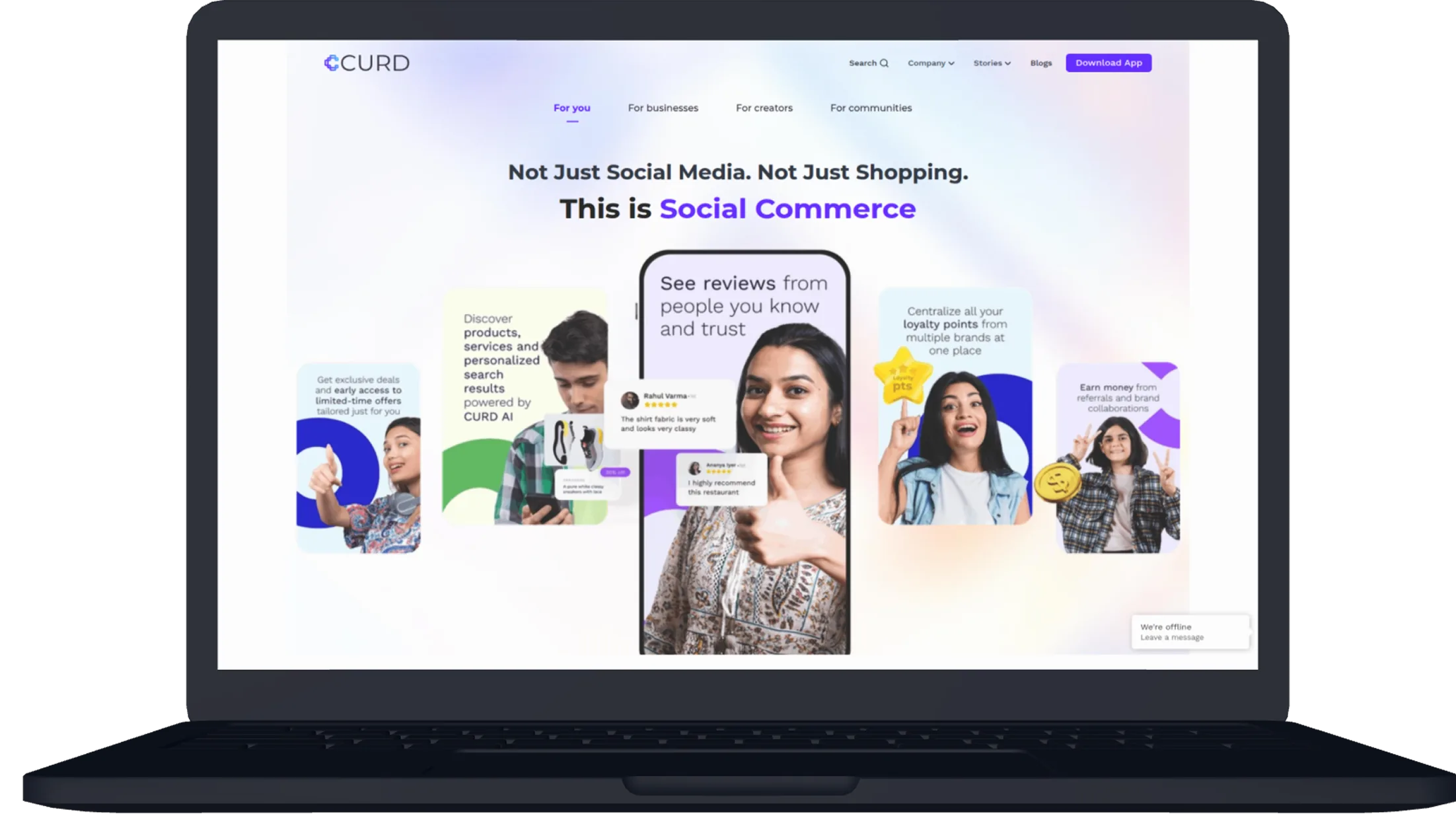
Curd
Curd is an AI-powered platform that unifies social media, search, and marketplace into one community-driven ecosystem.
PROJECTS
DELIVERED
across AI, mobile, web, and enterprise software for startups and global brands

AI MODELS
DEPLOYED
production-ready AI systems powering automation, insights, and decision intelligence

YEARS OF
EXPERIENCE
as a trusted AI-first software engineering and consulting partner

INDUSTRIES
SERVED
deep expertise in healthcare, fintech, legal, design, and data-intensive sectors

GLOBAL
RECOGNITIONS
acknowledging Bonami's engineering excellence, growth, and enterprise delivery

PROJECTS
DELIVERED
across AI, mobile, web, and enterprise software for startups and global brands
AI MODELS
DEPLOYED
production-ready AI systems powering automation, insights, and decision intelligence
YEARS OF
EXPERIENCE
as a trusted AI-first software engineering and consulting partner
INDUSTRIES
SERVED
deep expertise in healthcare, fintech, legal, design, and data-intensive sectors
GLOBAL
RECOGNITIONS
acknowledging Bonami's engineering excellence, growth, and enterprise delivery
Stop losing weeks per claim to manual prior authorization.
We build PA agents that read your payer policies, draft the packet, submit through the right channel, and track to outcome — with your clinicians in the loop, not replaced by it.
AI Prior Authorization Agent — FAQ
How accurate are PA agent decisions compared to a human PA specialist?
In shadow-mode evaluation, well-tuned PA agents typically reach 90-95% agreement with experienced PA specialists on policy citation and packet completeness, measured against retrospective gold-standard cases. The remaining gap is mostly edge cases — non-standard payer behavior, unusual clinical presentations — where the agent escalates to a human rather than fabricating an answer. We do not move to live submission until your team agrees the accuracy is acceptable on your specific payer mix.
Does the agent auto-submit, or does a human review every packet?
A human reviews every packet at launch. The agent drafts; the PA team or clinician approves. We only consider auto-submission after the agent has been in production for months with sustained accuracy on a specific category — and even then, only on low-clinical-risk PA types (durable medical equipment, routine imaging) where mistakes are recoverable. Cardiology, oncology, and complex specialty PA stays human-in-the-loop indefinitely.
Which payers and EHRs does the agent support?
EHRs: Epic, Cerner, athenahealth, NextGen, eClinicalWorks via FHIR R4 — and any system with a documented FHIR endpoint. Payers: direct API integration with Availity, CoverMyMeds, Surescripts, and Cohere Health covers most US national payers. For payers without API access, we automate the portal. For UAE deployments, integration with Daman, Thiqa, ADNIC, AXA, and eClaimLink for DHA-DRG.
How does the agent handle payer policy changes?
Two layers. First, the policy corpus is re-ingested on a schedule — daily for payers with frequent updates, weekly for stable payers. Second, drift monitoring watches for sudden denial-pattern changes that imply an undocumented policy shift. When a payer changes their PA criteria, the agent flags affected templates within 24-48 hours rather than silently submitting under old rules.
How do you prevent the agent from hallucinating clinical justifications?
Three mechanisms. (1) The agent uses RAG with citation-required output — every clinical claim in the packet must trace to a specific chart section or payer policy clause. (2) Generation is constrained to extract-and-rephrase, not free synthesis. (3) Every draft is reviewer-approved before submission. We have never shipped a PA agent without human approval in the loop, and we would not recommend one.
How is the agent evaluated and improved over time?
Every PA the agent drafts is tracked through to its final outcome — approved, denied, pended, withdrawn. Denial reasons are classified and fed back into the eval set. Quarterly, we retrain the criteria-matching models on the latest outcomes and update payer-specific templates that have shifted. We share accuracy dashboards by payer, service line, and reviewer so your team sees the same numbers we do.
What is the typical timeline to get a PA agent into production?
A focused deployment — one EHR, top 5 payers, top 20 PA types — typically takes 12-16 weeks: 4 weeks scope and policy modeling, 6-8 weeks shadow mode and clinician tuning, 2-4 weeks controlled rollout. Multi-payer, multi-specialty enterprise rollouts run 6-9 months with phased expansion. We do not promise faster timelines than the clinical sign-off cycle allows.
What does a PA agent cost to build and run?
Build cost typically runs $250K-$700K for a focused deployment, scaling with payer count, PA type breadth, and EHR complexity. Run cost is dominated by LLM tokens — for a typical mid-size health system processing 5,000-10,000 PAs/month, infra and model costs land in the $4K-$12K/month range. ROI usually shows up within 6-9 months on labor savings alone, with the bigger win being the recovered revenue from PAs that previously slipped through the cracks.
How does this work for UAE health systems with DHA, ADHICS and NABIDH requirements?
The architecture is the same; the integration layer is different. For UAE deployments we run the agent inside UAE data residency — AWS UAE or G42 Cloud — with no PHI leaving the country for inference. Payer integration uses eClaimLink and direct TPA APIs (Daman, Thiqa). NABIDH/Malaffi integration covers chart retrieval. All access is ADHICS-aligned with audit trails ready for DHA review.
How is this different from buying CoverMyMeds, Cohere Health, or Olive?
Off-the-shelf PA platforms work well for high-volume, standardized PA types and standard payer integrations. They are weaker on: (1) complex specialty PA where your clinical workflow is unique, (2) payers and TPAs they do not cover (especially regional/UAE), (3) integration with your specific EHR customizations and downstream RCM workflow, (4) ownership and audit trail — your data, your models, your eval. The right answer is often a hybrid: use a vendor for the standard 60%, build the agent for the high-value 40%.
Get in touch
Let's Discuss Your AI Project
Schedule a consultation with our development team to explore your requirements and solution options.